When Should You Change Your Air Conditioner Filter?

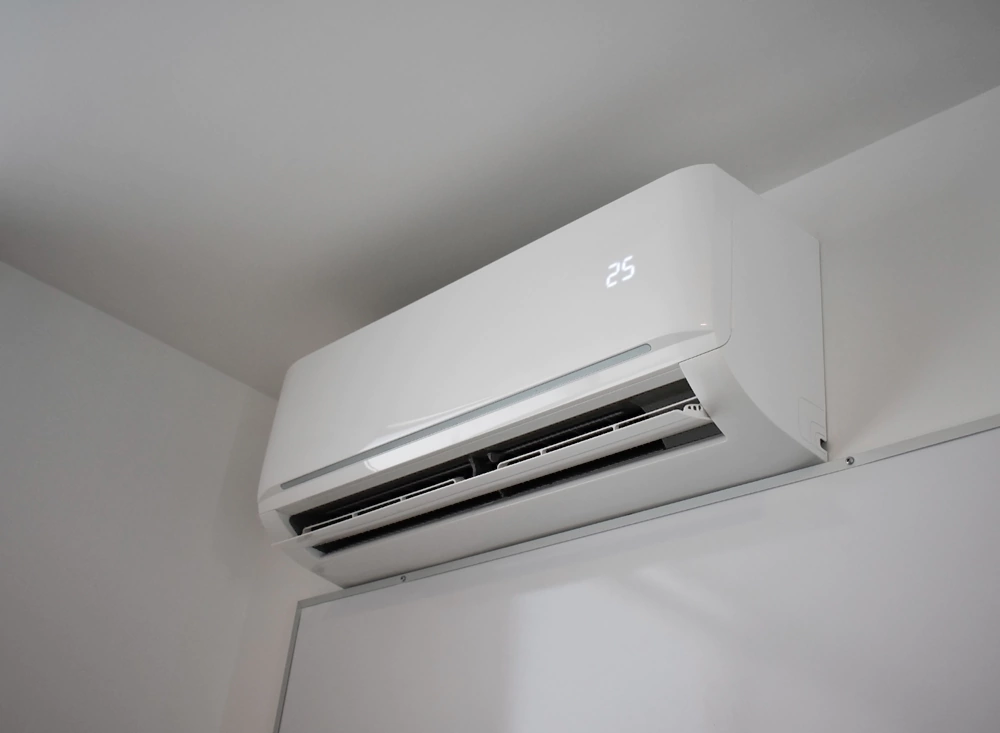
Air conditioners are becoming increasingly important for comfortable living. When chosen carefully, these fall under the category of the most dependable electronic equipment. For the same reason, their maintenance takes a back seat when the functioning seems normal, i.e. the room cools as expected, and airflow feels steady. However, it’s to be noted that aircons require regular upkeep, especially to check on the air filters.
Sitting within the indoor unit, the filter collects fine particles each time the system runs. With time, these particles can create blockages, hampering the AC’s performance. With each maintenance, technicians either clean or replace the filters as required. Replacement timings can vary depending on several factors. In this blog, let’s understand when the air filters need replacement and why.
Why Filter Replacement Timing Matters
When the filter is clean, the system runs without much effort. Air moves freely, and the temperature settles where it should without needing constant adjustment.
As the filter begins to fill with dust, subtle changes begin to show. First, you will notice it takes more time to cool the space. The airflow may also not feel as strong as it did earlier.
To make up for this, the system runs longer cycles. Over time, that shows in the form of utility bills. During Australian summers, where air conditioners often run for extended hours, these small changes tend to show up sooner.
A Practical Timeframe to Follow
Maintaining efficiency of air conditioners is essential and filter replacement is a key step towards it. However, there are numerous specifics to understanding when to change the filters. So, for busy home and business owners a general guideline can be useful.
- Book technicians for a monthly filter check in case of regular use.
- Replace filters every 1-2 months if the usage is frequent or it’s a high dust area.
- Change every 3 months if the usage is moderate.
- 6-12 months is apt if you have a ducted air conditioning system with high-efficiency filters.
Note: These timeframes are not fixed rules. They offer a baseline that can be adjusted depending on how the system is used and the conditions within the home.
Factors That Influence How Often You Should Change the Filter
Usage Patterns
The frequency of use plays a direct role in how quickly a filter fills up. Systems that run daily, especially through warmer months, accumulate particles at a faster rate.
Where usage is occasional, the buildup tends to be slower. In most cases, the condition of the filter reflects how often the system is operating.
In many households, this difference becomes noticeable between seasons. A system that runs constantly in summer may need far more attention than it does during cooler months.
Environmental Conditions
External surroundings have a noticeable impact on how quickly particles collect in the filter.
Homes near construction, busy roads, coastal areas, or dry regions often experience faster accumulation. Seasonal factors, including smoke or strong winds, can also contribute.
Even in quieter suburban settings, fine residue can build up over time without being immediately visible.
Opening windows regularly or having strong cross-ventilation can also bring in more airborne particles, which settle into the filter sooner than expected.
Presence of Pets
Pet hair and dander can settle into the filter more quickly than general household dust. These tend to cling, thereby affecting the free flow of air.
Homes with pets may require more frequent checks since the build-up is quicker than anticipated.
Even well-maintained pets are a contributor of particles inside the home, especially areas where they spend the majority of their time.
Health Considerations
In homes where allergies or breathing difficulties are an issue, maintaining the quality of the filters is about more than just regular maintenance.
A well-maintained filter helps keep indoor air clearer. When it is left too long, the air can begin to feel heavier, particularly in enclosed spaces. In these situations, shorter intervals between checks are usually more effective.
For some households, this can make a noticeable difference in day-to-day comfort, especially during seasons when allergens are more active.
Type of Filter Installed
Different filter types require different levels of attention:
- Washable mesh filters can be cleaned and reused regularly.
- Pleated or higher-efficiency filters capture finer material but require replacement.
- Specialised filters, such as carbon filters, focus on odours and need periodic renewal.
Understanding the filter type helps set a more accurate maintenance rhythm.
It also helps avoid unnecessary replacements or missed cleaning cycles, both of which can affect how efficiently the system performs over time.
Signs That Indicate It Is Time to Change the Filter
Even without keeping track of dates, the system usually gives a few quiet signals. You might notice:
- Airflow feels weaker than usual
- The room takes longer to cool down
- Dust appears more quickly on surfaces
- The air feels slightly stale
- The system seems to run longer than it used to
In most cases, airflow is the first thing people pick up on. It is not always obvious straight away, but it becomes noticeable over a few days.
Final Thoughts
The air conditioner filter plays a quiet but essential role in maintaining comfort indoors. Its condition influences how the system performs and how the air feels within the space.
Rather than relying solely on a fixed schedule, it helps to stay aware of small changes and respond early. With regular attention, the system continues to run efficiently, and the indoor environment remains comfortable throughout the seasons.
Are you looking for experienced technicians to look after your aircons? Reach out to us at Onsite Air. We install, repair, and maintain AC’s for both residential and commercial buildings.
Share on
Related Posts



Get a FREE Quote