Split System AC Explained: How Indoor and Outdoor Units Work Together
Split system air conditioners have become the absolute go-to choice for homes and small businesses. They keep you cool when the summer heat hits and warm when winter chills the region. Plus, they don’t require massive structural renovations, making them highly efficient and budget-friendly. Let’s shed some light on how these clever systems work and how to pick the perfect one for your space.
Understanding the Split AC System
When shopping around for an air conditioner, you will see a few different options like ducted systems, multi-splits, and traditional window units. Of all these choices, the classic split system is easily the most flexible and practical option for standard rooms because it is:
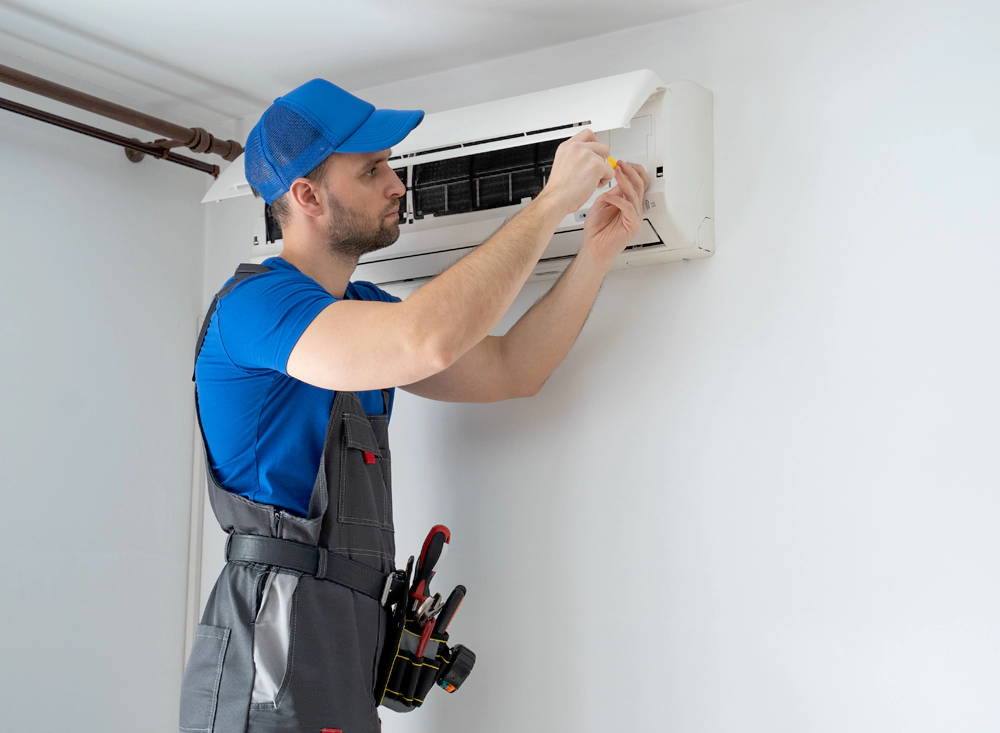
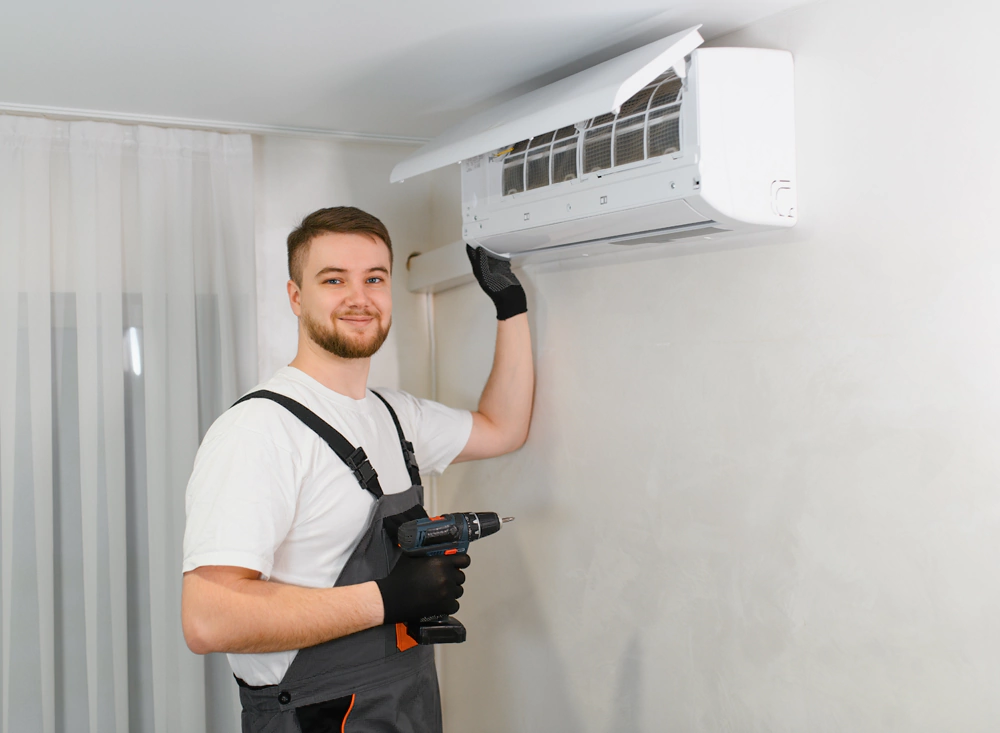
- Quick to Install: It only requires a tiny 75mm hole drilled through the wall for the pipework.
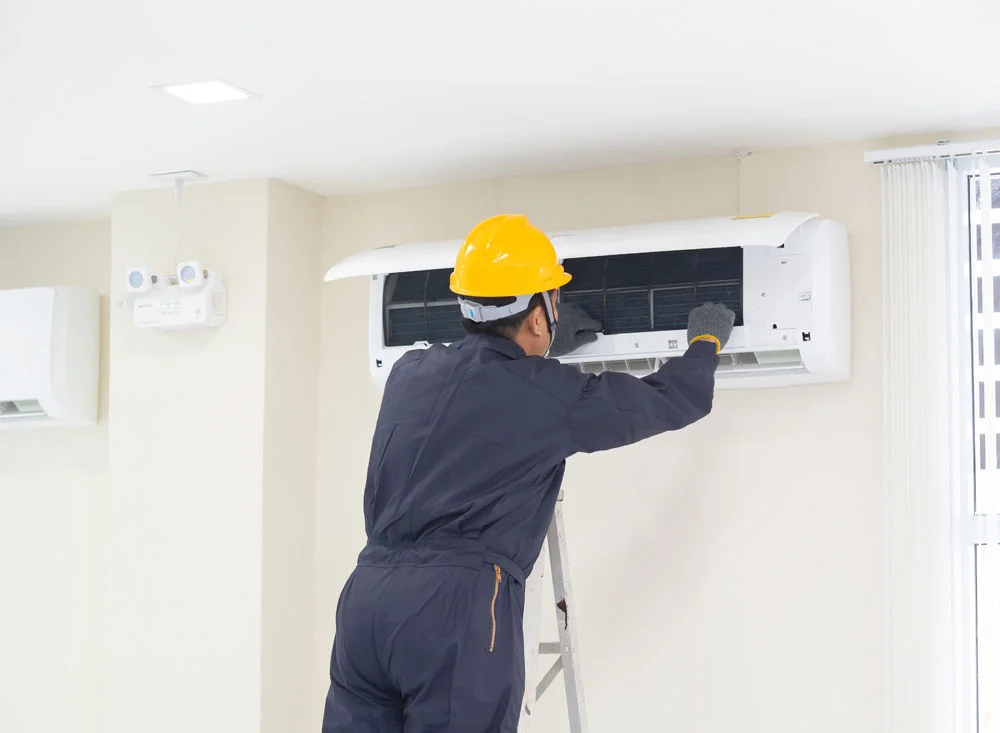
- Simple to Clean: Maintenance is easy, needing a quick filter clean every few months.
- Whisper Quiet: The noisy parts stay completely outdoors.
- Year-Round Comfort: Reverse-cycle technology provides both powerful cooling and efficient heating.
- Cost-Effective: Friendly on your wallet upfront and over the long run.
Modern split systems use smart inverter technology. Instead of constantly switching completely on and off (which wastes massive amounts of power and spikes your electricity bill), an inverter motor simply slows down or speeds up to maintain a constant, comfortable temperature.
A split system is divided into two distinct parts:
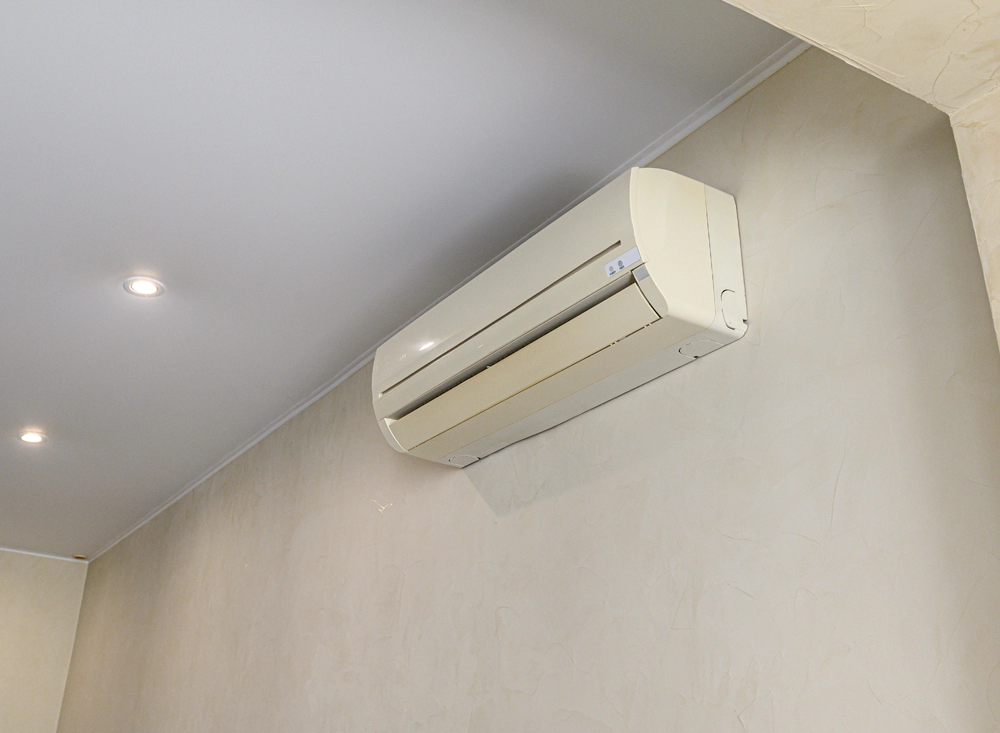
- The Indoor Unit: Mounted on your wall, containing the cold evaporator coils and a quiet blower fan.
- The Outdoor Unit: Sitting outside, which houses the compressor (the heart of the system) and the condenser coils.
Functioning of a Split AC
The split system acts like a heat sponge, absorbing the unwanted warmth from inside your room, carrying it along a chemical refrigerant line, and dumping it outside.
Here is exactly how those indoor and outdoor units work together, step by step:
1. Catching the Heat Indoors
The process kicks off right inside your room. The indoor unit’s blower fan continuously draws in the warm air from your living space and passes it over the freezing cold evaporator coils. The chemical refrigerant flowing inside these coils absorbs the heat from the air instantly. Now that the heat has been absorbed, the fan blows chilled air straight back into your room.
Also, as that sticky indoor air hits the freezing coils, moisture drops out of it, similar to water beads forming on a cold can of soft drink. This water drains safely outside through a small tube, significantly lowering your room’s humidity levels.
2. Pressurising the Gas
As the liquid refrigerant inside those indoor coils absorbs up the room’s heat, it warms up and evaporates into a low-pressure gas. This gas travels through insulated copper pipes straight out to the outdoor unit. Once it arrives, the compressor gets to work. It mechanically squeezes the gas, forcing the molecules tightly together. This extreme compression causes the refrigerant’s pressure and temperature to skyrocket, turning it into a super-hot, high-pressure vapour.
3. Dumping the Warmth Outside
Next, this super-hot gas enters the condenser coils located in your outdoor unit. A heavy-duty outdoor fan blows ambient outside air across these coils. Because the refrigerant is much hotter than the outside air, the heat naturally transfers from the coils into the outdoor atmosphere. As the refrigerant sheds this thermal energy, it cools down significantly and condenses back into a high-pressure liquid.
4. The Deep Freeze Reset
Before the refrigerant can head back indoors to cool you down again, it has to pass through the expansion valve. Think of this like a narrow spray nozzle. As the liquid forces its way through, its pressure drops instantly. And when pressure drops, the temperature plummets with it. The refrigerant is now a freezing cold, low-pressure liquid again, perfectly reset and ready to loop back to the indoor unit to start the whole cycle over.
Things to Remember When Choosing a Split AC for Your Room
- Calculate the Right Size (Kilowatts): An AC that is too small will run flat-out constantly without ever cooling the room, while a unit that is too big will rapidly cycle on and off, leaving the air sticky and humid. Aim for roughly 2.5kW for a standard bedroom and 5.0kW to 6.0kW for larger open-plan living areas.
- Watch Long-Term Running Costs: Think about the long-term running expenses, because a cheaper, less efficient model can end up costing you a total fortune on electricity bills over five or ten years.
- Check the Energy Star Ratings: Look closely at the Zoned Energy Rating Label on the box. Choosing a model with more stars means lower electricity bills and a much smaller environmental footprint over its lifespan.
- Plan the Outdoor Placement: Ensure your outdoor compressor unit has plenty of open space around it to breathe. If you box it into a tight, unventilated alleyway or balcony, it won’t be able to dump heat efficiently, causing it to work twice as hard and fail early.
- Look for Climate Protection: Regional weather can be tough on machinery. Opt for brands that offer specialised anti-corrosion coatings (often called “Gold Fin” or “Blue Fin” protection) on the outdoor coils to guard against moisture and rust.
Concluding Words
Investing in the right air conditioner changes how you live in your home every single day. By understanding the basics of how these systems split the hard work between indoor and outdoor units, you can avoid common buyer traps and make a much smarter choice for your property’s layout and your ongoing budget.
Ready to find the ultimate cooling setup for your space without the guesswork? Get in touch with our local team at Onsite Air Conditioning today for a transparent quote that gets it right the first time.
Share on
Related Posts

Get a FREE Quote