Residential Air Conditioning Installation Costs in Australia: Midea’s Expert Guide
Installing an air conditioning system is one of the most effective ways to keep your home comfortable during Australia’s hot summers and changing seasonal temperatures. However, many homeowners are unsure about the cost of installing a new air conditioning system and the factors that affect the final price. Understanding these costs and key influencing factors can help you plan your budget more confidently and choose the right cooling solution.
This guide by Midea, a global air conditioning and home appliance brand, explores the typical air conditioning installation costs in Australia and the factors that can affect the final price.
In this expert guide, we explain the average air conditioning installation costs in Australia, the factors that affect pricing, the different system types available, and practical tips that help you manage your installation budget.
Average Air Conditioning Installation Costs in Australia
Air conditioning installation costs in Australia vary depending on the system type, the size of your property, and the complexity of the installation. In most cases, homeowners can expect the following price ranges:
- Split System Air Conditioner: $600 – $2,500 for installation (unit cost may not be included)
- Ducted Air Conditioning System: $5,000 – $15,000+ depending on property size
- Multi-Split System: $2,500 – $7,000 depending on the number of indoor units
Installers usually include labour, basic materials, and standard installation work in these estimates. However, costs can increase if technicians need to perform additional electrical work, extend piping, or modify structural elements.
Factors That Influence Air Conditioning Installation Costs
Several key factors influence the final installation price. When you understand these elements, you can make better decisions when selecting a system.
1. Type of Air Conditioning System
The system type has the biggest impact on installation costs.
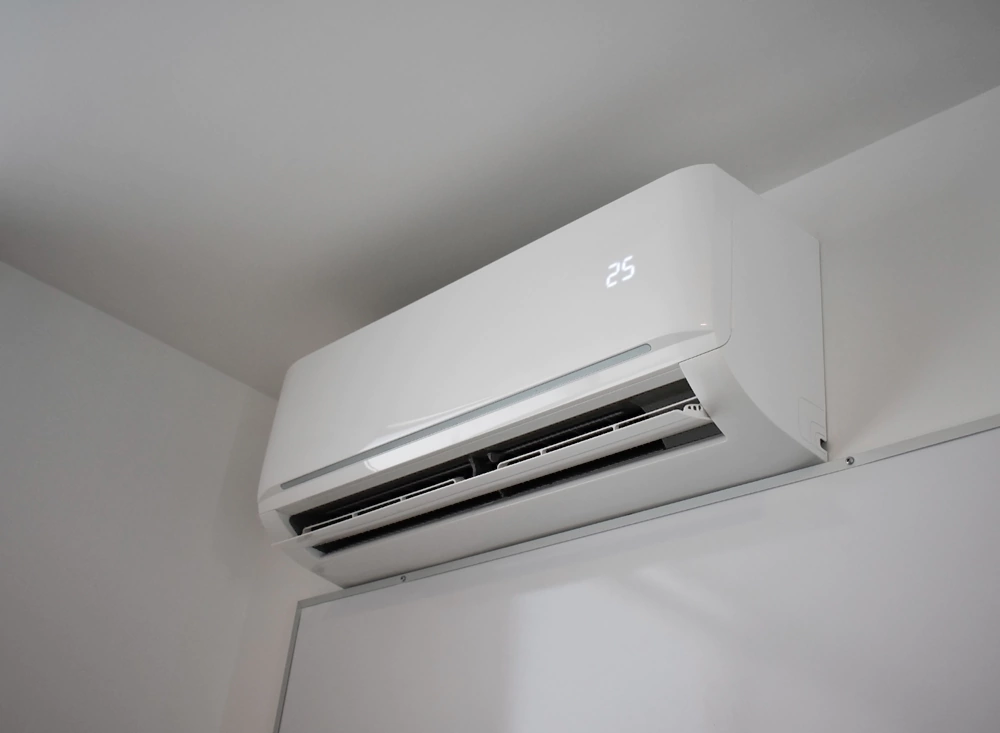
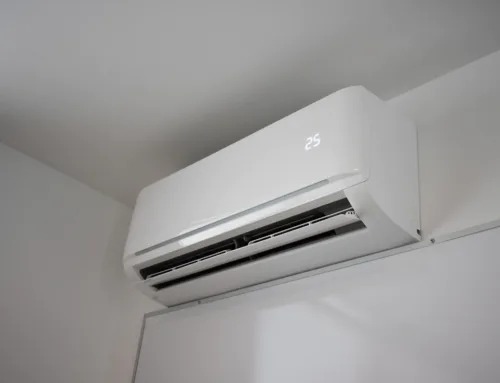
- Split systems remain the most popular option in Australia. Installers mount one indoor unit inside the room and connect it to an outdoor compressor. These systems work well for cooling individual rooms or small living areas.
- Ducted air conditioning systems cool the entire home through ducts installed in the ceiling or floor. Although they provide consistent cooling across multiple rooms, installers must complete more complex work, which increases installation costs.
- Multi-split systems connect multiple indoor units to one outdoor unit. Homeowners often choose this option when they want to cool several rooms but prefer not to install full ducting.
2. Size and Capacity of the Unit
Air conditioners come in different capacities measured in kilowatts (kW). Larger rooms require higher-capacity units to maintain comfortable temperatures.
Higher-capacity systems usually cost more to install because technicians may need stronger mounting brackets, larger outdoor units, or upgraded electrical connections. When you choose the correct size, you improve both cooling efficiency and long-term energy performance.
3. Installation Complexity
The structure and layout of your property can affect the installation process. Installers consider several factors, including:
- Distance between the indoor and outdoor units
- Wall construction materials such as brick, timber, or concrete
- Roof access for ducted installations
- Electrical panel capacity
If technicians need to drill through thick walls, extend piping, or install new electrical circuits, labour time increases and installation costs rise accordingly.
4. Property Structure and Accessibility
The design and age of your property can also influence installation costs. Older property sometimes require extra preparation work before installers can safely mount the system.
Limited roof access, narrow ceiling cavities, or multi-storey layouts can increase installation time. In contrast, properties with straightforward layouts allow technicians to complete installations faster and more efficiently.
5. Electrical Upgrades
Some require electrical upgrades before installers can safely connect a new air conditioning system. Technicians may need to install a dedicated circuit breaker, upgrade the switchboard, or run new wiring.
Depending on the complexity of the upgrade, electrical work can add several hundred to a few thousand dollars to the final installation cost.
Cost Breakdown Example
A typical split system installation in Australia usually includes several components. Below is a simplified example of how installers may calculate costs:
- Standard split system installation labour: $700 – $1,200
- Wall bracket and mounting hardware: $100 – $250
- Refrigerant piping and insulation: $100 – $300
- Electrical connection: $150 – $400
This example results in a total estimated installation cost of $1,050 – $2,150. Actual pricing can vary depending on your location and the installer you choose, but these figures provide a helpful reference.
Additional Costs to Consider
Homeowners should also consider several additional costs that may arise during installation:
- Removal of an old air conditioner – $150 to $500
- Extended pipe runs – $50 to $100 per metre
- Concrete slab or mounting brackets – $100 to $400
- Ceiling duct modifications – varies depending on the property structure
When you discuss these potential expenses with your installer beforehand, you reduce the risk of unexpected costs during the project.
Tips to Reduce Air Conditioning Installation Costs
You can manage installation costs effectively by following several practical strategies.
Get Multiple Quotes
Always request quotes from at least two or three licensed installers. Comparing quotes helps you understand the average market price and ensures you receive fair pricing.
Choose the Correct System Size
A correctly sized system improves comfort and energy efficiency. Oversized systems waste energy and increase installation costs, while undersized units struggle to cool your space effectively.
Professional assessments help you select a system that matches your property’s cooling requirements.
Install During the Off-Season
Air conditioning demand increases during peak summer months. If you schedule installation during cooler seasons, you may secure better pricing and faster installation availability.
Prioritise Energy Efficiency
Energy-efficient air conditioning systems may cost slightly more upfront, but they significantly reduce long-term electricity expenses. Over time, these savings can offset the initial installation cost.
Why Professional Installation Matters
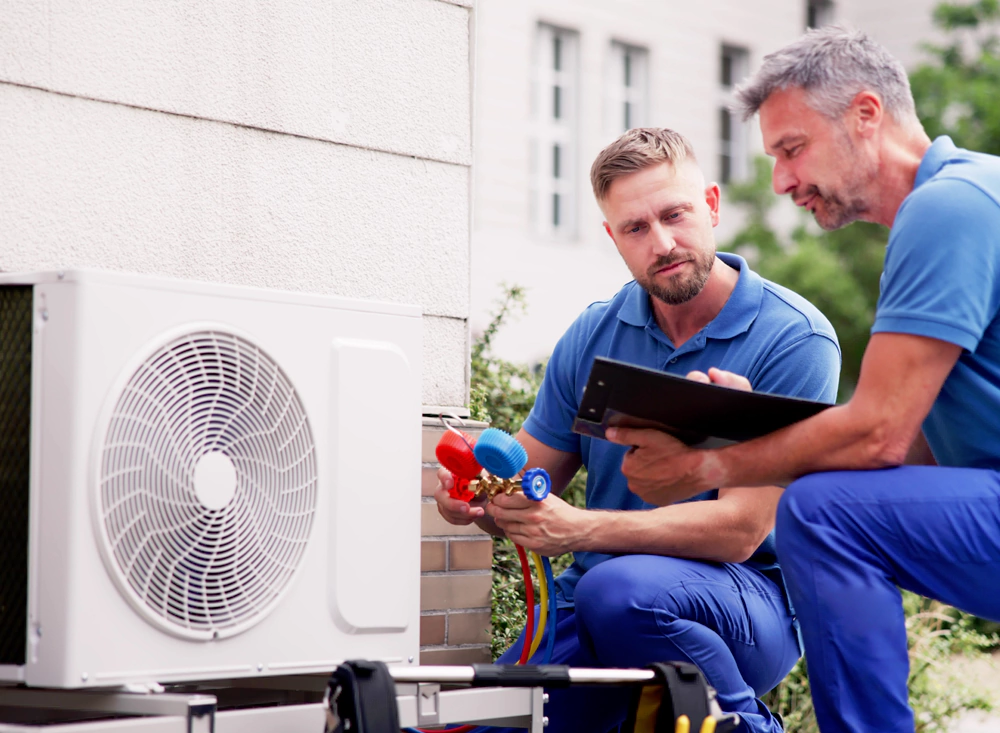
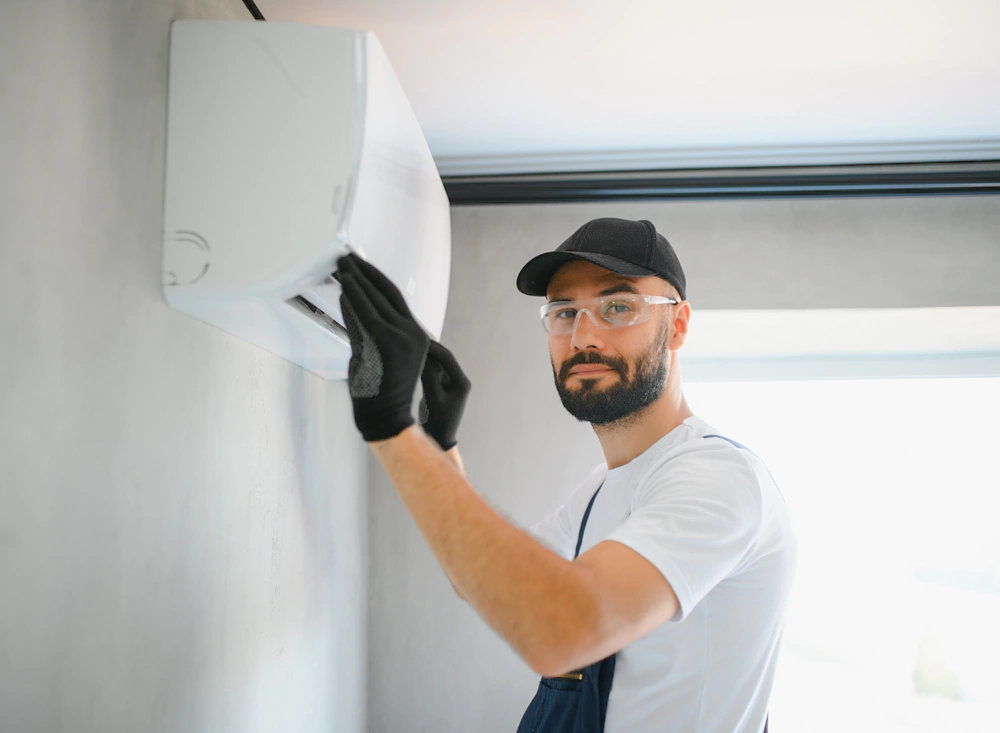
Professional installation ensures your air conditioning system operates safely, efficiently, and reliably.
Licensed technicians calculate the correct system size, install secure electrical connections, handle refrigerant properly, and follow Australian safety standards. When professionals install your system correctly, you avoid common problems such as poor airflow, energy waste, and frequent repairs.
Professional installation also protects your manufacturer’s warranty and ensures long-term performance.
Conclusion
Air conditioning installation costs in Australia depend on several factors, including the type of system, property size, installation complexity, and electrical requirements. Split systems provide an affordable option for smaller spaces, while ducted systems deliver whole-home cooling for larger properties.
When you understand these cost factors and plan ahead, you can choose the right system without unexpected expenses. Working with experienced professionals also ensures your system performs efficiently for many years.
If you want reliable installation and expert guidance, Onsite Air offers professional air conditioning services across Australia. Our experienced technicians help homeowners choose the right system, complete high-quality installations, and ensure long-lasting cooling performance.
Share on
Related Posts

Get a FREE Quote