How to Select the Best Commercial Air Conditioning System
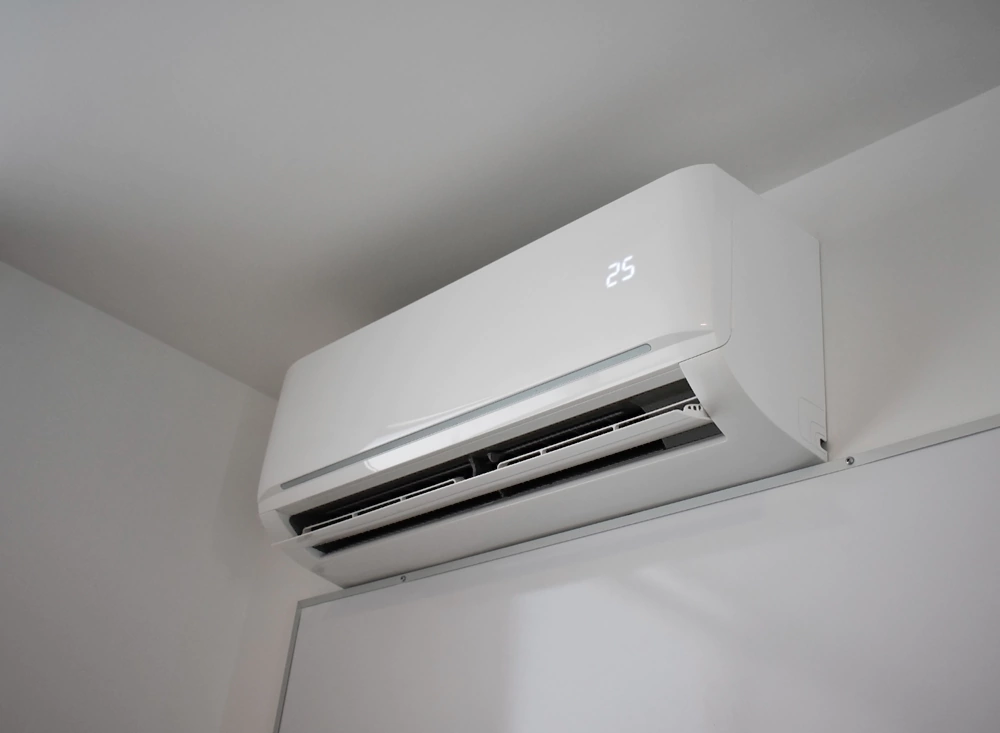
Choosing a commercial air conditioning system is not something most businesses do often, but when the time comes, it matters more than many people expect. The right system affects comfort, energy costs, productivity and even how customers experience your space. In Australia, where summers can be demanding and weather conditions vary by region, selecting the right setup becomes even more important.
Many businesses focus only on upfront cost. In reality, long-term efficiency, reliability and suitability for your space usually matter far more.
Start With How Your Space Is Used
No two commercial spaces operate the same way. An office with steady occupancy has very different cooling needs from a café that fills up in bursts or a warehouse running heavy equipment.
Think about how many people use the space, how long the system needs to run each day, and where heat builds up. Large windows, poor insulation, machinery and server rooms all add to cooling load. Ignoring these details often leads to systems that work harder than they should.
Getting this step right helps avoid overspending on oversized systems or dealing with underpowered units that struggle during peak periods.
Understanding Commercial AC System Options
There is no single “best” commercial air conditioning system. The right choice depends on building size, layout and operational needs.
Smaller offices often rely on split or multi-split systems because they are straightforward and cost-effective. Larger commercial buildings usually benefit from ducted or VRF systems that provide better airflow control and zoning flexibility. Warehouses and retail spaces frequently use packaged rooftop units designed to handle large open areas.
Each option has strengths and limitations. Choosing based on suitability rather than popularity usually leads to better outcomes.
Energy Efficiency Is a Long-Term Decision
Commercial air conditioning systems run for long hours, sometimes every day of the year. That makes energy efficiency a critical consideration.
Modern systems with inverter technology adjust output depending on demand, rather than running at full power constantly. This reduces energy consumption and wear on components. Over time, efficient systems can significantly lower operating costs, especially as electricity prices continue to rise.
While energy-efficient systems may cost more upfront, many businesses find the savings justify the investment within a few years.
Why Zoning Makes a Difference?
Zoning allows different areas of a building to be cooled independently. This is especially useful in offices with meeting rooms, open-plan areas and server rooms, or in retail spaces where customer density changes throughout the day.
Without zoning, energy is often wasted cooling areas that do not need it. With proper controls, businesses can maintain comfort while reducing unnecessary energy use.
Modern control systems also allow scheduling, monitoring and adjustments without manual intervention, making day-to-day operation simpler.
Installation Quality Matters More Than Most Realise
Even the best system will underperform if it is not installed properly. Poor airflow design, incorrect sizing or rushed installation can lead to higher energy use, uneven temperatures and frequent maintenance issues.
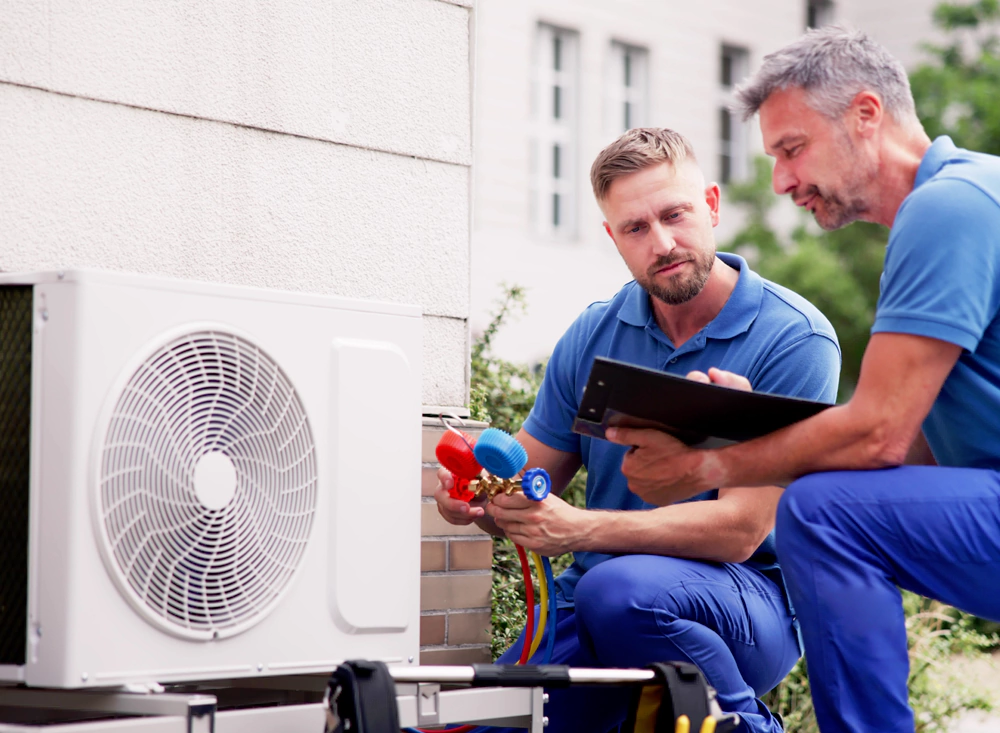
Professional installation ensures the system operates as intended from day one. It also makes future servicing easier and extends the life of the equipment.
Regular maintenance is just as important. Planned servicing helps prevent breakdowns, improves efficiency and reduces the risk of unexpected downtime during peak seasons.
Australian Compliance and Standards
Commercial air conditioning systems must meet Australian electrical, safety and environmental standards. This includes refrigerant handling regulations and building compliance requirements.
Working with licensed professionals ensures everything is installed and maintained correctly. It also avoids compliance issues that can become costly later.
Thinking Beyond Today’s Needs
Businesses change. Teams grow, layouts shift and usage patterns evolve. A system that works today should still perform well a few years down the track.
Some systems allow easy expansion by adding zones or indoor units. Planning for flexibility early often saves money and disruption later.
Final Thoughts
Choosing a commercial air conditioning system is about more than cooling a space. It is about creating a comfortable environment that supports people, operations and long-term efficiency. The best results usually come from understanding your space, choosing the right system type and working with experienced professionals.
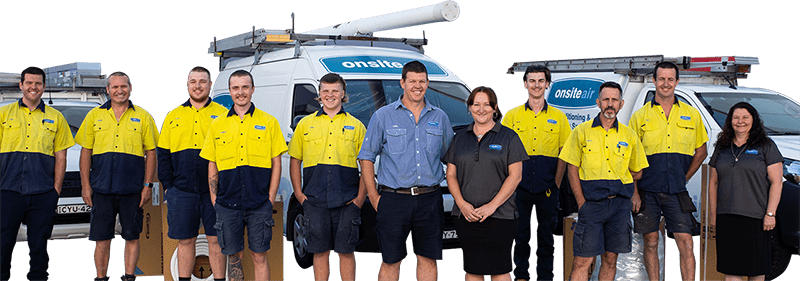
For businesses looking for practical, reliable commercial air conditioning solutions, at Onsite Air we work closely with clients to assess their needs, recommend suitable systems and provide professional installation and ongoing support. With experience across a wide range of commercial environments, we help businesses implement air conditioning systems that perform well today and continue to deliver value over time.
If you are planning a new installation or considering an upgrade, speaking with a specialist team like ours can help ensure the solution fits your business rather than forcing your business to fit the system.
Share on
Related Posts


Get a FREE Quote