How to Maximise Your Reverse Cycle Air Conditioner This Winter in Maitland
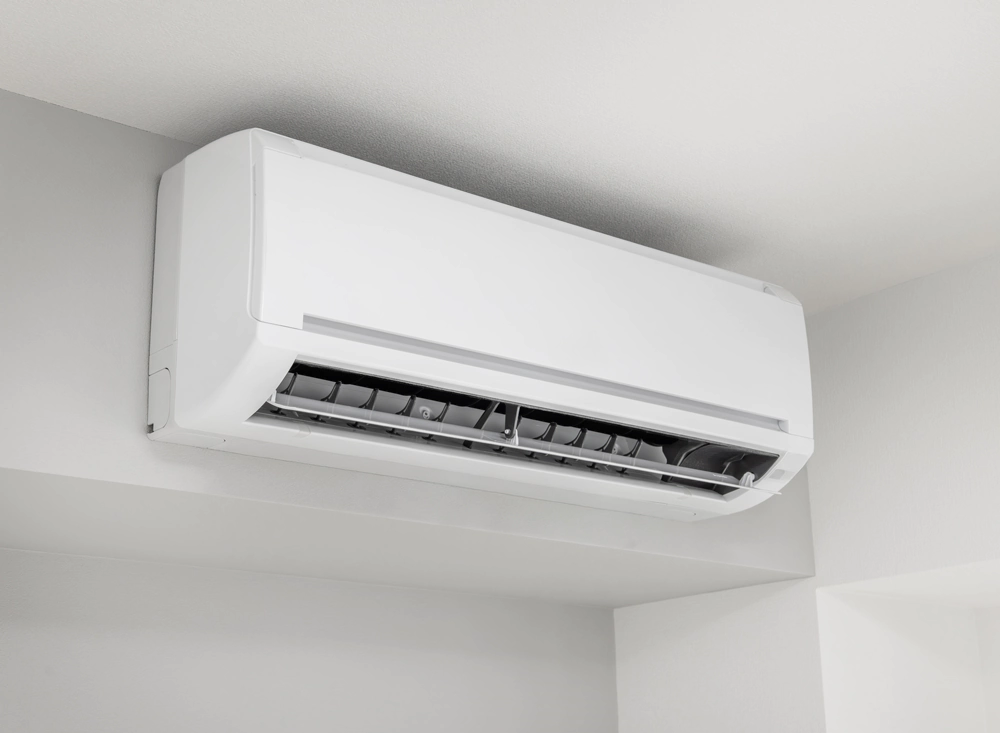
Winters in Maitland has a way of sneaking up on you. One day you are opening the windows to let the breeze in, and before you know it, you are padding around the house in thick socks. That is usually when the reverse cycle air conditioner gets switched on, often with the thermostat, and most hope that warm air will appear within seconds.
But it doesn’t quite work like that.
Reverse cycle air conditioners are among the smartest ways to heat a home, yet plenty of people never really get the best out of them. Not because the system isn’t capable, but more often than not, it’s simply being used in ways that make it work harder than necessary. A few small changes can make a noticeable difference to comfort, energy bills, and even the lifespan of the unit.
So, let’s unpack what actually helps.
It’s Not Creating Heat. It’s Borrowing It.
Unlike an electric heater that produces heat directly, a reverse cycle air conditioner is more like a courier. It collects warmth from the outdoor air and delivers it inside your home. Sounds strange, doesn’t it? Especially when the temperature outside is hovering in single digits.
But even chilly air contains heat, which the system extracts and transfers it indoors. Because it’s moving heat instead of generating it, several outside factors influence how efficiently it performs. If conditions aren’t ideal, the unit has to work a little harder.
For example, performance can dip when:
- temperatures outside suddenly tumble overnight
- filters are clogged with dust and debris
- warm air leaks through poorly sealed doors or windows
- the system isn’t large enough for the room it’s trying to heat
- the outdoor unit can’t breathe properly because it’s boxed in by plants or clutter
- the thermostat is constantly being adjusted
None of those problems automatically point to a faulty air conditioner. Sometimes, it’s simply the environment making it difficult for the system.
Resist the Urge to Turn It Up Full Blast
You walk into a freezing room, grab the remote and think, “Right, let’s set this to 30 degrees.”
It feels logical. But unfortunately, that’s not how reverse cycle air conditioning works.
Dialling the temperature to its maximum won’t suddenly make warm air pour out twice as fast. The fan doesn’t get some secret turbo mode. Instead, the system simply keeps operating until it eventually reaches that temperature. This may take much longer than expected and can use more electricity along the way.
A steadier approach usually wins. Choose a comfortable setting and leave it alone for a while. Constantly nudging the temperature higher, then lower, then higher again only confuses the process.
A few simple habits make life easier:
- keep the thermostat at a comfortable level rather than chasing perfection
- let timers handle the routine where possible
- shut external doors before heating begins
- close curtains once the sun disappears
- avoid dramatic temperature jumps throughout the day
Consistent usage often is much better than constant adjustment.
That Blast of Cool Air? Don’t Panic.
The air conditioner Maitland has been heating but all of a sudden, warm air disappears and there’s even a brief stream of cool air coming from the indoor unit.
“Has it broken?” Probably not. What’s happening is something called the defrost cycle, and it’s a perfectly normal part of winter operation.
Here’s the simple version.
When outdoor temperatures get low enough, frost can form on the external unit. Left untreated, that frost would reduce efficiency and eventually interfere with heating performance. So every now and then, the system pauses what it’s doing and removes the ice.
During that short process you might notice:
- heating pauses briefly
- cooler air comes through the vents
- a cloud of steam or mist rises from the outdoor unit
- the operating sound changes for a few minutes
Then, just as quickly, everything goes back to normal.
But if it keeps entering defrost mode every few minutes or never returns to proper heating, that’s a different story altogether. At that point, having the unit checked professionally is the sensible move.
Don’t Fight the Airflow, Work With It
People often assume the quickest way to warm the house is to shut every spare bedroom door and close as many vents as possible. Sounds sensible, right? Well… not always.
It really depends on the type of air conditioning system you’ve got.
If you’re using a single split system, closing off rooms you rarely use can certainly help keep warmth where you’re spending most of your time. That said, don’t go overboard. The indoor unit still needs room to circulate air properly. Seal everything off and, oddly enough, the system can end up cycling more than it should.
Ducted systems are a different story. They’re designed around specific airflow patterns and zoning layouts. Closing vents that weren’t meant to be closed or blocking return air grilles with furniture can upset the balance. Suddenly, the unit is pushing against resistance instead of quietly doing its thing.
A few simple habits are worth remembering:
- Heat the rooms you’ll actually be using.
- Keep return air pathways nice and clear.
- Use zoning controls exactly as they’re intended.
- Avoid shutting vents unless your system allows it.
- If you’re unsure, ask before experimenting.
Sometimes, the smallest tweak makes the biggest difference.
Give the Outdoor Unit Some Breathing Space
Now here’s the part everyone forgets: The outdoor unit.
It quietly sits outside through rain, dust, falling leaves, and overgrown shrubs, yet it’s doing half the heavy lifting when your home is being heated. If that unit can’t pull in enough outside air, the whole system loses efficiency. There’s simply no way around it.
So, take a quick walk outside every so often and have a look.
Is there a pile of leaves tucked underneath? Has the garden slowly crept around it? Did someone stack bins, timber or old pot plants beside it months ago and forget they were there?
It happens more often than you’d think.
A little housekeeping goes a long way:
- brush away leaves and loose debris
- trim shrubs or climbing plants nearby
- avoid storing anything directly beside the unit
- keep the surrounding space open
- check that nothing is blocking airflow
Keeping the area tidy helps the system perform the way it was designed to.
The Conclusion
Truth be told, getting the most from a reverse cycle air conditioner isn’t about discovering some secret setting hidden in the remote control. It’s the everyday habits that count, such as warming the house before it turns icy and cleaning the filters every now and then.
None of those jobs take much effort. Yet together, they can make your home feel noticeably cosier while helping keep electricity costs under control.
For a quick professional evaluation, you can connect with our team at Onsite Air. We will check and ensure your system works at its best throughout this winter.
Share on
Related Posts
Get a FREE Quote