How Long Do Air Conditioners Last? Maintenance and Replacement Guide
An air conditioner is a major investment for any Australian home. Whether you rely on it during hot summer days or use it throughout the year, you want it to perform efficiently for as long as possible. Many homeowners ask the same question when planning maintenance or budgeting for upgrades — how long does an air conditioner actually last?
The answer depends on several factors, including the type of system, how often you use it, the local climate, and the level of maintenance it receives. Understanding the average lifespan of an air conditioning system can help you make better decisions about servicing, repairs, and replacement.
This guide explains how long air conditioners typically last, what affects their lifespan, and when it makes more sense to replace a system instead of repairing it.
Average Lifespan of Air Conditioners
Most modern air conditioning systems last between 10 and 15 years. Some well-maintained units can continue operating for up to 20 years, while others may require replacement earlier due to heavy use or poor maintenance.
Different types of systems often have different life expectancies.
- Split system air conditioners typically last 10 to 15 years.
- Ducted air conditioning systems generally last 12 to 20 years.
- Window air conditioners usually last around 8 to 12 years.
- Portable air conditioners often last 5 to 10 years.
These figures represent general averages. The actual lifespan of a system depends heavily on how well the owner maintains it and how often it runs.
Factors That Affect Air Conditioner Lifespan
Several factors influence how long an air conditioning system will continue working efficiently.
Usage Frequency
Air conditioners that run daily for long periods experience more wear and tear than systems used occasionally. Homes in warmer parts of Australia often place greater demands on cooling systems, which can shorten their lifespan over time.
Installation Quality
Professional installation plays a major role in long-term performance. Incorrect sizing, poor airflow design, or faulty installation can place unnecessary stress on components. A properly installed system usually operates more efficiently and lasts longer.
Maintenance Practices
Regular maintenance helps prevent many common issues. Dirty filters, blocked drains, and neglected components force the system to work harder than necessary. Over time, this extra strain can lead to premature failure.
Environmental Conditions
Coastal areas can expose outdoor units to salt-laden air, which may increase corrosion. Dust, debris, and extreme temperatures can also affect system performance and durability.
System Quality
Higher-quality systems often use more durable components and advanced technology. While premium models may cost more initially, they often deliver longer service life and better efficiency.
Signs Your Air Conditioner Needs Attention
An air conditioner rarely fails without warning. Most systems show signs of trouble before major breakdowns occur.
Watch for these common indicators:
- Reduced cooling performance
- Weak airflow from vents
- Unusual noises during operation
- Frequent cycling on and off
- Rising electricity bills
- Unpleasant odours
- Water leaks around the unit
- Difficulty maintaining set temperatures
Addressing these issues early can prevent more expensive repairs and help extend the life of the system.
Maintenance Tips to Extend Air Conditioner Life
Routine maintenance remains one of the most effective ways to maximise the lifespan of an air conditioning system.
Clean or Replace Filters Regularly
Air filters collect dust, dirt, and airborne particles. When filters become clogged, airflow decreases and the system must work harder to cool the space.
Many manufacturers recommend checking filters every few months and cleaning or replacing them as needed.
Keep Outdoor Units Clear
Outdoor condenser units need adequate airflow to operate efficiently. Remove leaves, grass, and debris from around the unit. Maintain sufficient clearance to allow proper ventilation.
Schedule Professional Servicing
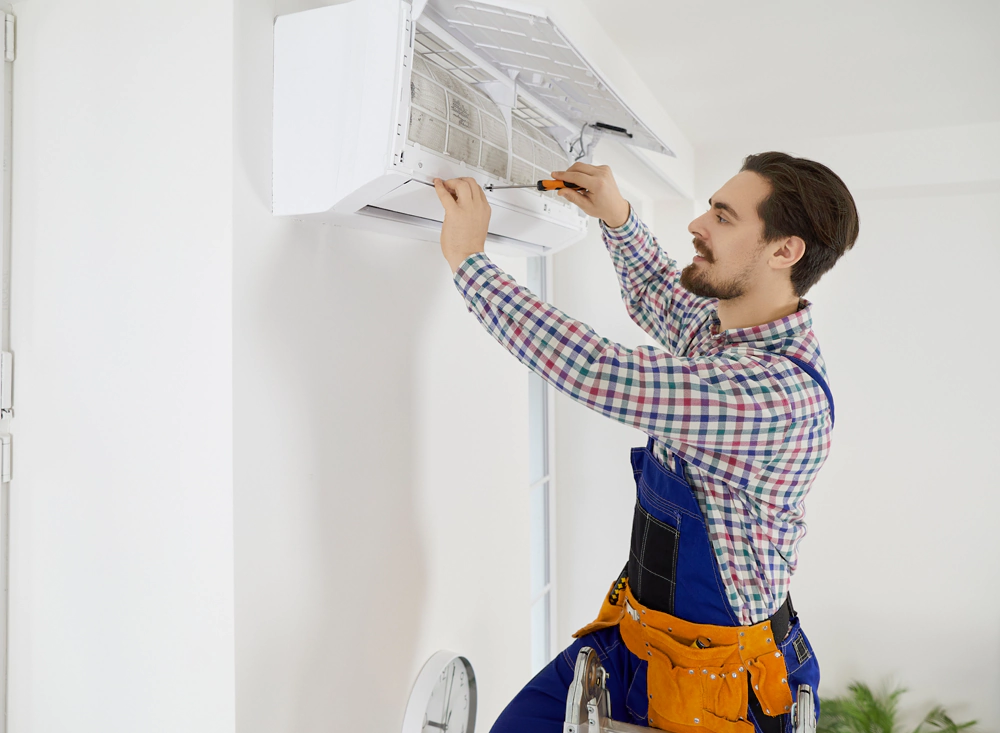
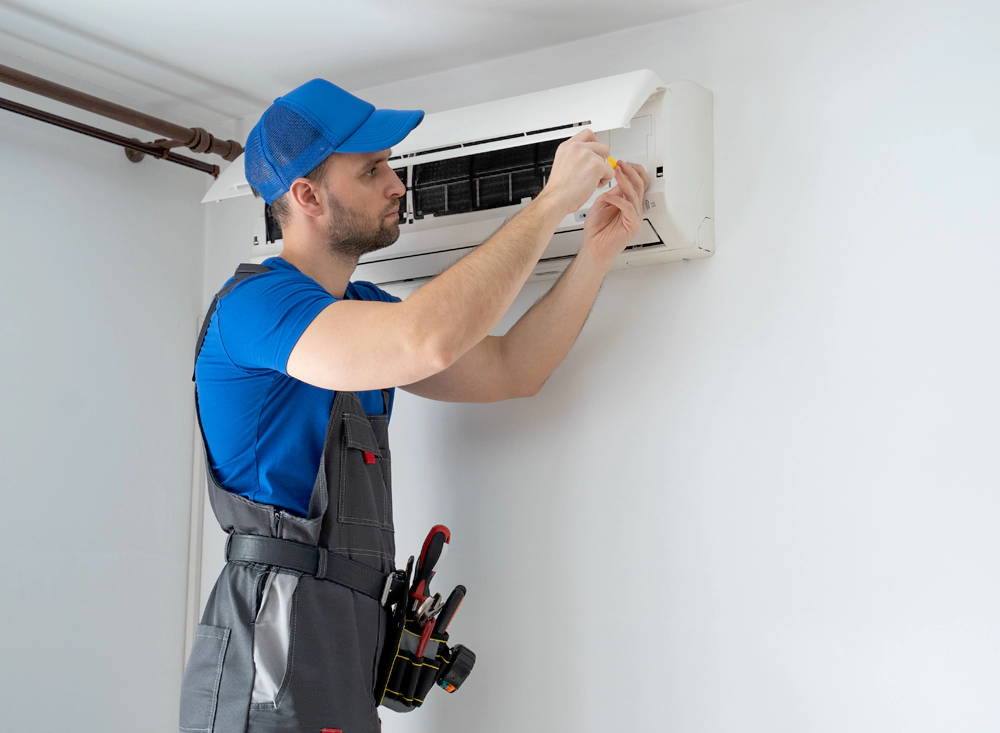
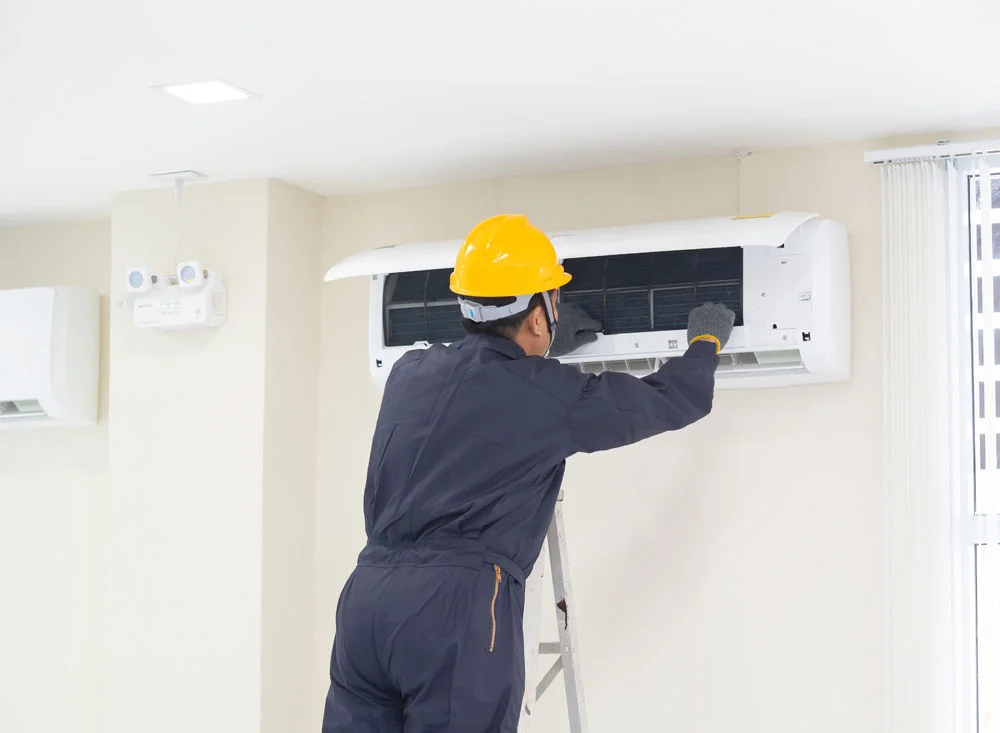
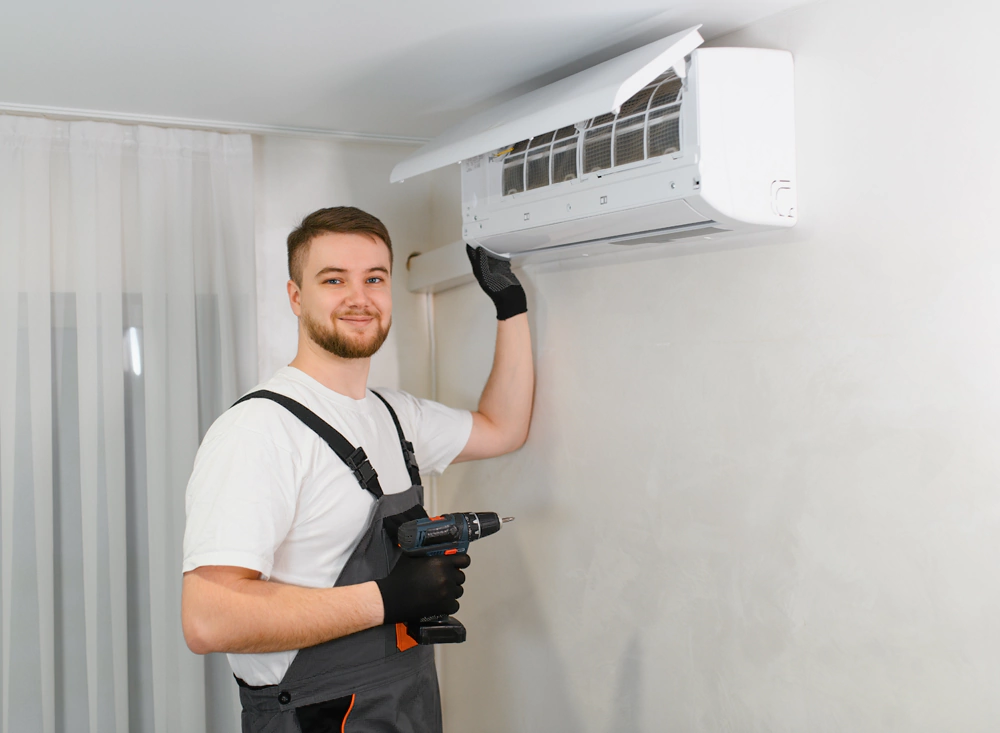
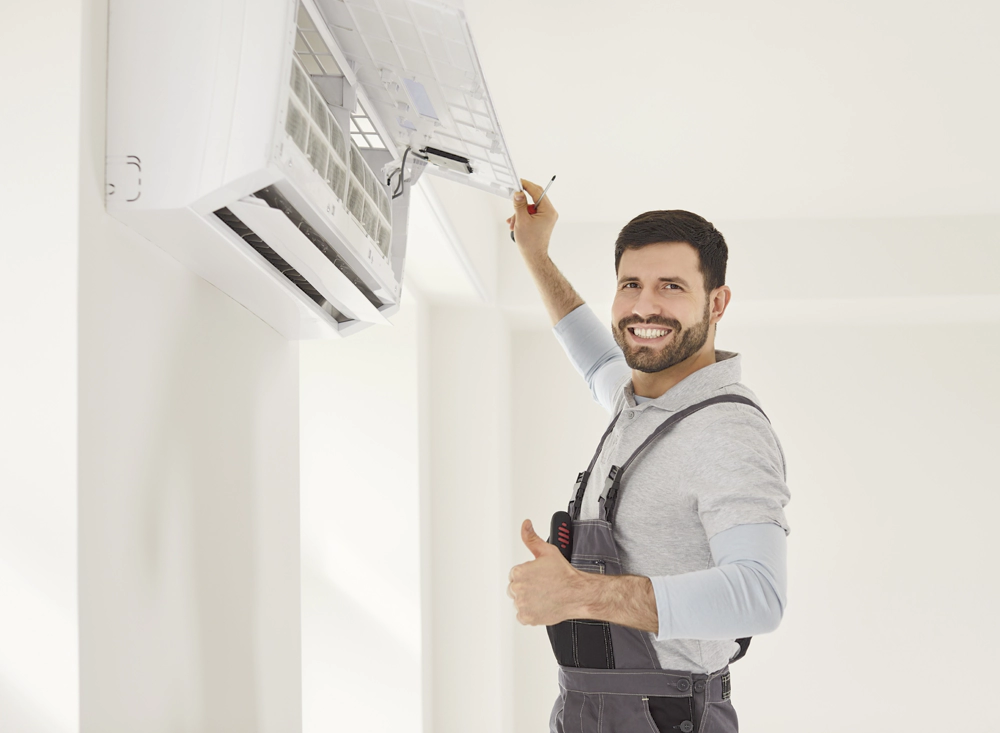
Professional technicians can identify issues before they become major problems. Regular servicing helps maintain efficiency and ensures critical components remain in good condition.
Many homeowners arrange annual inspections to keep their systems operating smoothly.
Check for Unusual Changes
Pay attention to changes in performance, sounds, or energy consumption. Early detection often prevents small issues from developing into expensive repairs.
Use the System Efficiently
Setting reasonable temperatures reduces strain on the system. Excessively low cooling settings force the unit to run longer and consume more energy.
Using ceiling fans and keeping doors and windows closed can also help improve efficiency.
Repair or Replace? How to Decide
At some point, every homeowner faces the decision between repairing an existing system and investing in a replacement.
Several factors can help guide that decision.
Consider the Age of the Unit
If the air conditioner is less than 10 years old, repairs often make financial sense. However, systems approaching 15 years or more may become less reliable and less efficient.
Older systems may also use outdated technology that costs more to operate.
Evaluate Repair Costs
Frequent repairs can quickly add up. If major components such as compressors or motors fail, replacement may provide better long-term value.
A common guideline suggests considering replacement when repair costs become a significant percentage of the cost of a new system.
Review Energy Efficiency
Modern air conditioning systems often offer substantial efficiency improvements compared to older models. A new system may reduce energy consumption and lower ongoing electricity costs.
Assess Comfort Levels
If certain rooms remain too warm or too cool despite repairs, the system may no longer meet the household’s needs. A replacement can improve comfort, airflow, and temperature control.
Benefits of Replacing an Older Air Conditioner
Replacing an ageing system can provide several advantages.
Homeowners often experience:
- Improved energy efficiency
- Lower electricity bills
- Better indoor comfort
- Quieter operation
- More reliable performance
- Advanced features and controls
- Reduced repair expenses
Modern systems also offer smart technology options that allow users to control temperatures remotely and optimise energy usage.
Final Thoughts
Australia’s climate can put significant pressure on air conditioning systems. While most units last between 10 and 15 years, regular maintenance and timely servicing can help extend their lifespan and maintain efficiency.
If your system requires frequent repairs or struggles to keep your home comfortable, it may be time to consider a replacement.
At Onsite Air, we help homeowners across Australia with air conditioning maintenance, repairs, and replacements. Whether you need a service or are ready to upgrade, we can help you find the right solution for reliable comfort all year round.
Share on
Related Posts
Get a FREE Quote