Heater CO Testing: A Must for Home Safety
Carbon Monoxide, commonly abbreviated as CO, represents one of the most dangerous domestic hazards known today. This gas carries no smell, no colour, and no taste. Therefore, it infiltrates homes without triggering immediate suspicion.
Every winter season, in Australia, reports surface detailing families hospitalised due to Carbon Monoxide poisoning. These incidents often stem from faulty gas heaters or inadequate ventilation. As a result, the importance of routine Carbon Monoxide testing cannot be overstated. Preventive action protects lives long before danger escalates.
Here’s everything you need to know about CO testing.
The Nature of Carbon Monoxide
Carbon Monoxide earns its reputation as a silent killer because it provides no sensory warning. Unlike natural gas, which contains an odour, allowing inmediate detection, Carbon Monoxide drifts through living spaces undetected. So, occupants continue daily routines unaware of the mounting risk.
When inhaled, Carbon Monoxide enters the bloodstream and binds tightly to haemoglobin. This reduces the blood’s ability to transport oxygen efficiently and makes vital organs such as the brain and heart suffer from oxygen deprivation.
Headaches, dizziness, nausea, and fatigue frequently appear first. But these symptoms can easily be mistaken for seasonal flu or stress. A critical warning sign emerges when discomfort diminishes after leaving the home. That pattern suggests an environmental cause rather than a medical condition.
Why Homes Become Vulnerable?
Many households rely on gas heaters, hot water systems, and cooking appliances for everyday comfort. These appliances work safely when installed and maintained correctly. But improper servicing or ageing components can lead to incomplete combustion, eventually producing Carbon Monoxide.
Open flue gas heaters deserve particular attention. These systems draw air directly from the room to support combustion. This design can function safely under appropriate conditions, yet modern renovations can change the internal airflow dynamics of a home.
So, here’s the visual clues that should not be ignored:
Although Carbon Monoxide itself remains invisible, gas appliances may display warning signs of inefficiency. For example:
- Dark sooty stains around a heater or near ceiling vents can indicate incomplete combustion. These stains suggest that exhaust gases are not venting properly.
- Flame colour also provides valuable insight. A healthy gas flame burns with a steady blue appearance. But a yellow/orange flame indicates poor combustion. Poor combustion generates Carbon Monoxide.
- Frequent pilot light failures may also signal oxygen deprivation within the unit. When oxygen supply becomes restricted, combustion efficiency declines. As a result, toxic by-products accumulate more readily.
Never dismiss these signs as minor inconveniences. Get professional evaluation and ensure that small issues do not escalate into life-threatening situations.
What Happens During Professional CO Testing?
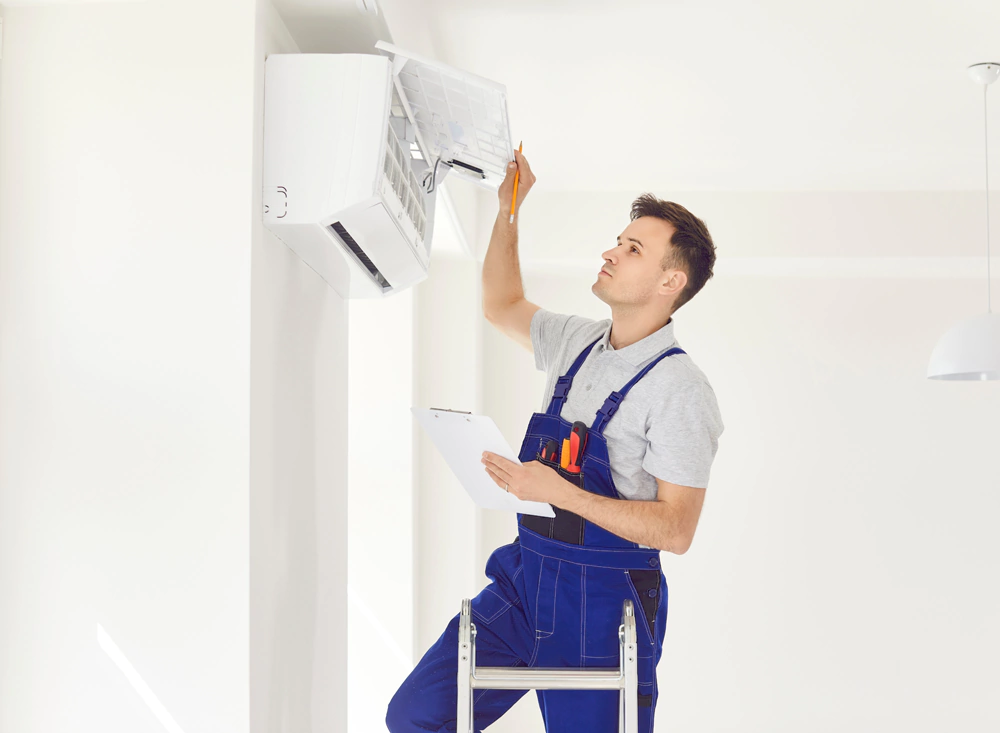
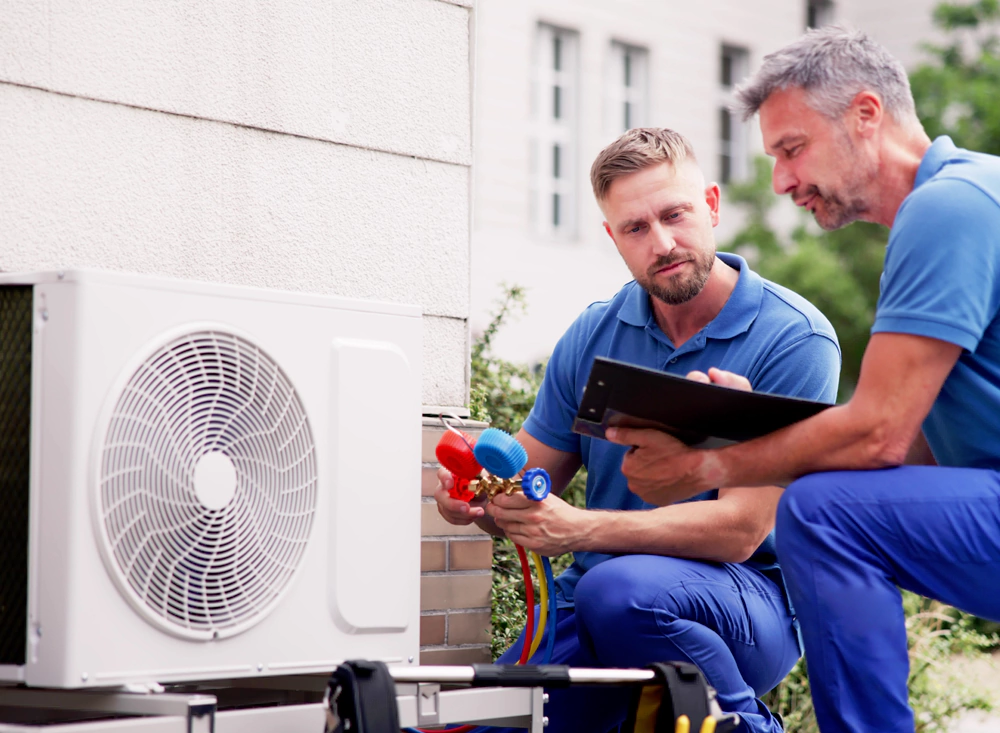
Professional Carbon Monoxide testing involves far more than a brief check. Qualified technicians follow a structured process to find hidden risks accurately. Precision instruments replace guesswork entirely.
First, calibrated digital analysers measure Carbon Monoxide levels in parts per million within the ambient air. They detect even small amounts that human senses cannot perceive. Therefore, early detection prevents prolonged exposure.
Second, technicians conduct a negative pressure assessment. This test determines whether exhaust fans or structural sealing create airflow reversal. By simulating real operating conditions, professionals identify vulnerabilities that would otherwise remain unnoticed.
Third, a detailed safety report outlines all findings clearly. If the home meets safety standards, occupants gain invaluable reassurance. But if dangerous levels appear, technicians isolate the appliance immediately and allows for corrective action without delay.
This systematic approach lets homeowners receive concrete data rather than vague assumptions.
The Role of Carbon Monoxide Alarms
Retail stores offer Carbon Monoxide alarms designed to alert occupants when gas levels reach dangerous thresholds. These devices provide an essential backup layer of protection. However, they function reactively rather than proactively.
An alarm sounds only after Carbon Monoxide concentration surpasses a preset level. Therefore, exposure may already be occurring by the time the warning activates. Professional testing identifies the source of a leak before accumulation becomes hazardous. For this reason, alarms should complement professional inspections rather than replace them.
A comprehensive safety strategy includes both routine servicing and functional alarms.
Mandatory Gas Safety Checks for Rental Properties
Rental properties carry additional responsibilities regarding gas safety. Regulations require periodic inspections to ensure appliances operate safely and efficiently. So, landlords must arrange accredited gas safety checks at specified intervals. Tenants depend on these inspections for peace of mind and physical wellbeing.
A complete gas safety check examines heaters, cooktops, hot water systems, and flues. Technicians verify ventilation integrity and combustion performance. Documentation confirms compliance with current standards. Therefore, property owners protect themselves legally while safeguarding occupants effectively.
Neglecting required inspections can result in serious consequences. Financial penalties may follow regulatory breaches. On the other hand, the human cost of inaction remains far more significant.
The Value of Preventive Action
Some hesitate to schedule Carbon Monoxide testing due to cost concerns. They may assume that visible functionality equals safety. But CO rarely announces its presence with obvious signs. As a result, reliance on visual confirmation alone proves insufficient.
The financial investment in professional testing remains modest compared to the potential consequences of poisoning. Emergency medical care, hospitalisation, and long-term recovery impose significant burdens. Emotional distress compounds the hardship experienced by families. Therefore, preventive testing represents both a practical and compassionate choice.
Final Word
Carbon Monoxide is silent and invisible, but it’s profoundly dangerous. It seeps into homes through malfunctioning appliances or compromised ventilation. So, proactive testing stands as the most reliable defence.
If you want to get your home tested for CO leakage, you can get in touch with our team at Onsite Air. We will run a detailed check and ensure your home is safe.
Share on
Related Posts
Get a FREE Quote