Choosing the Best Commercial AC System for Your Business
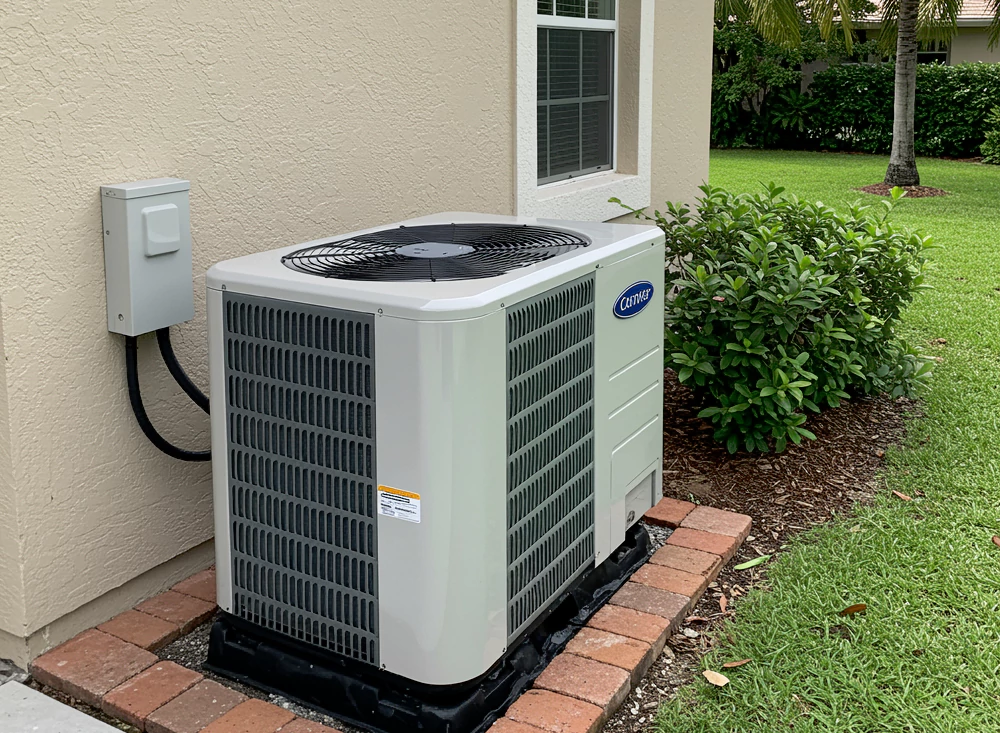
Choosing a commercial AC system is often a strategic decision where comfort needs to meet cost. Your choice canshape workplace satisfaction, energy consumption, legal compliance, temperature stability, and even productivity. But the problem arises when a business rushes to install whatever model fits their immediate budget. A wise alternative is to look deeper.
If you are confused about what it means to look deeper, this blog is for you. Just follow the steps below and you’ll find out how to choose a commercial HVAC for your business.
First things first—
Understanding Your Building First
Every building tells its own story. That is why experts always begin with a basic assessment of the area. For example, floor area influences capacity, staff numbers influence heat buildup, and lighting intensity adds additional load. So, your mission is simple: Survey the building thoroughly before choosing a system.
- Walk the corridors.
- Stand inside meeting rooms.
- Observe heat pockets near large windows.
- Evaluate traffic flow.
- Check ceiling clearance.
- Map ventilation paths.
You want capacity sized with precision. If not, oversized units short cycle frequently, while undersized ones struggle relentlessly. In the end, comfort becomes inconsistent.
Exploring Your System Options
Commercial HVAC technology offers many designs tailored for different spaces. This variety gives you flexibility and control.
VRF or VRV systems create a dynamic cooling landscape. Multiple indoor units connect to one outdoor condenser, and temperature zones operate individually. So, VRF suits mixed-use facilities or historic sites where expansion happens gradually. It also benefits offices with unpredictable occupancy patterns.
Central ducted systems serve broad open spaces. These units feel ideal for call centres, event halls, or shopping floors. Their maintenance also becomes straightforward due to accessible plant areas on rooftops.
Rooftop packaged units consolidate components neatly. A single casing holds compressors, coils, blowers, and controls. Rooftop placement frees interior space, which retail stores and restaurants appreciate.
Ductless mini-splits solve problems when ducts feel impractical. Classic buildings resist duct installation due to heritage limitations, so mini-splits thrive there. They also serve server rooms or special load zones.
Prioritising Energy Efficiency
A business thrives when operating costs sit low. In the case of air conditioning, this means prioritising energy efficiency. High SEER and EER ratings signal performance excellence by consuming less power. As a result, your energy bills and carbon footprint shrinks. ESG reporting looks stronger.
Refrigerants matter, too. Old refrigerants harm the environment, while modern low-GWP options feel responsible and futureproof. Businesses today respect these sustainable decisions, as customers and clients respect eco-minded brands.
Mastering Zoning and Control Technology
Climate control rarely functions uniformly in commercial settings. It can be due to various reasons, meeing rooms fill quickly, body heat spikes, kitchens radiate warmth, open-plan zones vary with foot movement, etc. So, a single fixed temperature achieves little. Zones provide power through precision, maintaining tailored settings for each area.
Modern control platforms elevate the experience even further.
- Smart thermostats integrate with BMS systems.
- Scheduling restricts cooling after work hours.
- Occupancy sensors cut cooling when nobody is inside.
- Remote dashboards allow facilities managers to handle changes with a tap.
- Emergency adjustments occur instantly.
Ventilation and Indoor Air Quality
Cooling alone cannot guarantee health. Fresh air exchange is also important for strengthening indoor environments. If not, stale rooms hold CO₂ and breed odour. So, ensure that the filters remove dust and pollutants effectively.
Acoustic comfort requires attention as well because a loud HVAC system can disrupt concentration. Good duct design can help reduce that disturbance.
Durability and Maintenance Planning
Ever wondered what’s the biggest factor that determines the return on an investment? It’s the longevity. So, choose units with strong warranty and reliable manufacturer support.
Secondly, make sure to position plant equipment where technicians can access components safely. Cluttered placement increases both installation and maintenance time. So, take advice from the experts and find an ideal location.
Then, consider the maintenance needs of the unit and schedule necessary services. It typically includes cleaning coils, replacing filters, and opting for seasonal inspections. This kind of preventive care beats emergency repair. A well maintained unit runs smoother and reduces unscheduled downtime.
Life Cycle Costing
Upfront prices often distract buyers, but remember that true value lies in lifecycle evaluation.
Imagine two systems: One costs less today, and one costs more today but the cheaper model consumes more power yearly, while the expensive model consumes less. So, over five years the expensive model may save more money.
Repair frequency also matters. Some units break down regularly, but some operate effortlessly. Long term totals reveal the real winner. Business owners who calculate these operating costs find clarity.
Sector-Specific Considerations
Different industries require different solutions.
- Offices value quiet operation and stable climate.
- Retail environments prefer rapid temperature recovery after doors open frequently.
- Hospitality needs discreet styling for aesthetic harmony.
- Healthcare demands precision filtration and strict temperature control.
- Warehouses host heavy equipment and feature fluctuating occupancy.
Each setting holds unique challenges. The correct system resolves those challenges gracefully.
Closing Thoughts
The bottomline is that a commercial AC system influences comfort, workplace behaviour, and overall reputation. Therefore, one must check the pros and cons before deciding on a particular model. Fitting your budget is not everything.
If you feel you need more specific guidance, you are not wrong. Oftentimes, it will take an expert insight to narrow down the search to the right product. So, feel free to connect with us at Onsite Air. Our expertise will help you eliminate the confusion instantly.
Share on
Related Posts



Get a FREE Quote