Breathe Easy: Tips for Improving Indoor Air Quality and Your Health
You often hear news about air pollution and its effects on human health. But how frequently do you pay attention to air quality indoors?? Though there is no doubt that air pollution exists, and usually ignore that the air quality inside could also be important.
According to the Environmental Protection Agency (EPA), the level of air pollution can be one hundred times worse inside the house compared to that outside your home, and it can even have more terrible consequences concerning your health.
The effects of indoor air pollution on your health may be adverse, as indicated by the following:
- Cancer
- Asthma
- Pneumonia, and
- Reactions to allergy
- Low birth weight
- Cardiac problems
Senior citizens, children, and people with heart or respiratory diseases can be more vulnerable to some of the health problems caused by high IAQ.
If you or your family member has unknown respiratory issues, it is a sign to examine the quality of air within your home. By doing anything in your power to help you improve the quality of the air you breathe indoors, you can diminish your risk of acquiring diseases, and you might even improve the quality of your life. These eight suggestions can help you get started.
1. Reduce the amount of pollutants
Learning about typical causes of pollution and avoiding additional contaminants when possible are key ways to maintain clean indoor air.
A few typical contaminants are:
- Radon
A naturally occurring radioactive gas called radon can accumulate in your home through earthen crevices which can be the cause of lung cancer and other health issues.
A quick and easy approach to check your house for dangerous radon levels is with a home test kit. You may usually lower radon levels if testing shows excessive levels in your air by caulking your home’s foundation to prevent gas leaks into your living area.
- Cleaning Products
Some cleaning supplies include dangerous compounds that might stay in your air, such as:
- Air fresheners
- Glass cleaners
- Cleaning sprays
- Bleach
You may maintain a clean house without the additional toxins found in certain everyday cleaning products by selecting safer, non-toxic alternatives.
2. Test your air quality
If you’re concerned about your home’s air quality but are unsure what changes would be most effective, testing the air is a sensible step. You have the option of hiring a professional or doing it yourself.
Although doing it yourself is frequently less expensive, hiring a professional will probably result in more thorough results and more individualised information.
- Do-it-yourself air quality testing
Numerous air quality test kits are available online. While some kits only test for one contaminant, such as radon, others let you check for several.
If you’re only interested in testing for one or two specific contaminants, at-home testing can make more sense, but many at-home test kits aren’t comprehensive. Working with an expert can end up being more effective if you want a complete panel of outcomes.
- Expert air quality examination
Although hiring a professional will probably cost more than utilising a test kit, many of them provide extra services to help you deal with any pollution sources that are discovered during the test. Professionals who offer air quality testing, for instance, might also be experts in mould removal and prevention.
3. Take steps to control allergens
Many interior areas frequently contain a variety of allergies and irritants, such as:
- Mould
- Dust
- Pet dander
- Dust mites
Avoiding these allergens will typically enhance the general quality of the air in your house and lower your risk of developing respiratory symptoms, such as:
- Runny nose
- Teary eyes
- Itching skin rashes, sneezing, and a sore throat
Both prevention and maintenance are necessary when it comes to managing allergies in your home.
Effective allergy management often involves preventative measures, such as:
- Regularly brushing and bathing your pet and cleaning their bedding twice a month in hot water to help get rid of dust mites.
- Selecting Impenetrable mattresses and hypoallergenic pillows to keep dust mites out.
Additionally, you can eliminate indoor air allergies by:
Dusting and vacuuming to help prevent the buildup of dust, dust mites, and pet dander.
Using a bleach or soap solution, removing and replacing any carpet, wood, or drywall where mould is forming, as well as clean nonpermeable surfaces like metal and tiles.
4. Use an air purifier
One practical option to keep your air cleaner is to install an air purifier in your house. Since high-efficiency particulate absorption (HEPA) filters are often the best at eliminating dangerous particles from the air, you might wish to choose one.
HEPA filters have the potential to eliminate almost 99% of airborne contaminants.
Since air purifiers are unable to eliminate every kind of pollutants, you might want to think about getting an air filter if you wish to lessen:
- VOCs,
- Excessive carbon dioxide,
- Mould spores,
- Smoke,
- Pet dander allergies
You may even get rid of flu virus particles from your air by using an air purifier.
5. Boost ventilation
The easiest (and possibly the free) way to improve the air that you breathe is to ensure that there is air circulation in your house. The solution to this is one that involves opening windows and doors to allow some fresh air inside, as long as the air is pollen-free or without contamination.
Nonetheless, the vulnerable areas, such as the tiny crevices around the vents and doors, enable the entry of air into your house. It’s advisable to check if the air entering your space through vents from outside is contributing to the issue, even though there’s little you can do about external air ingress.
This implies:
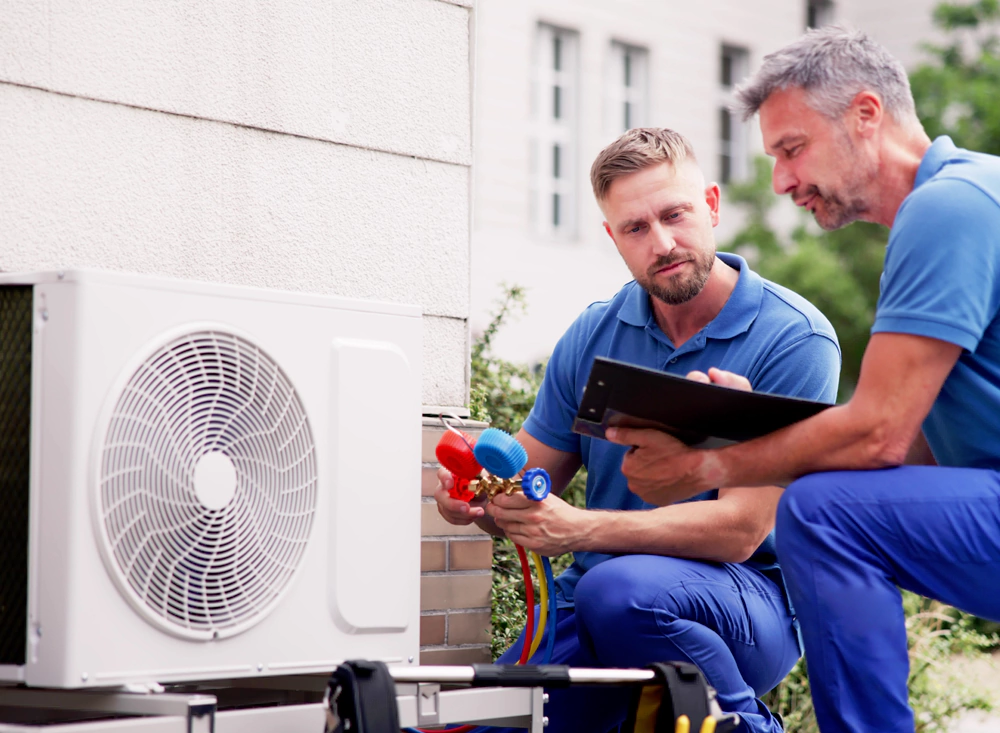
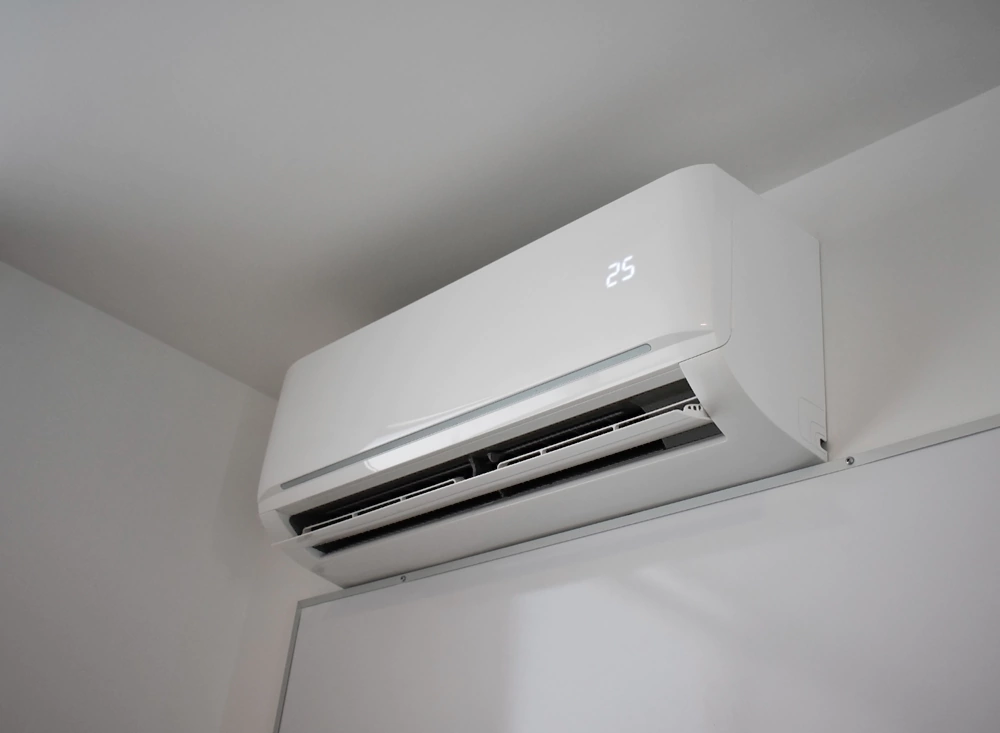
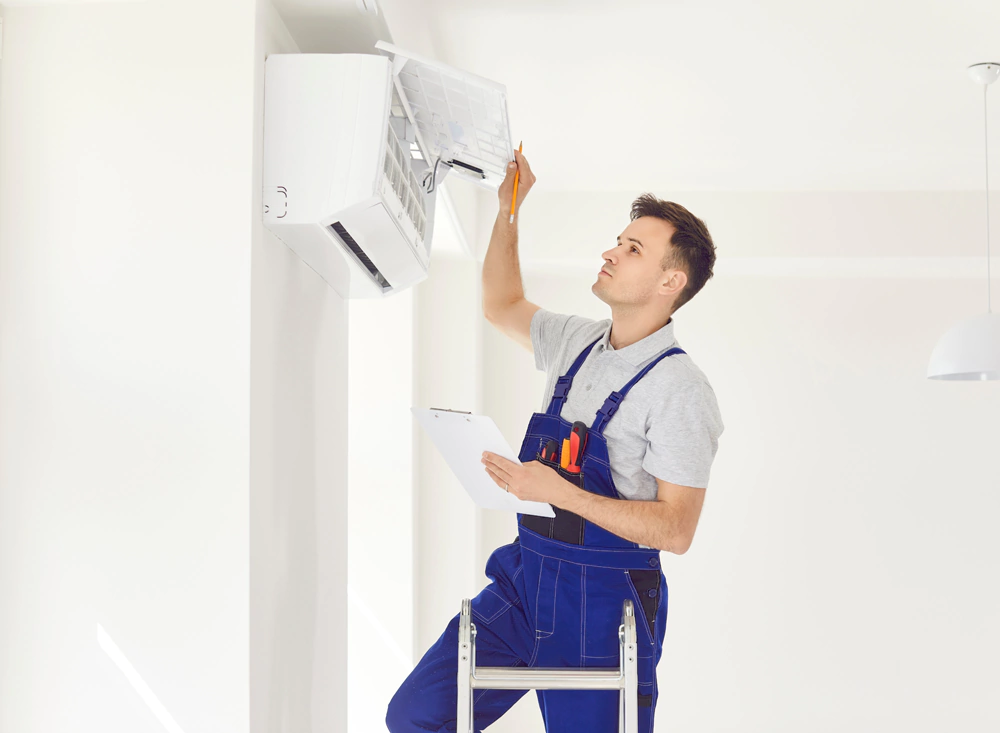
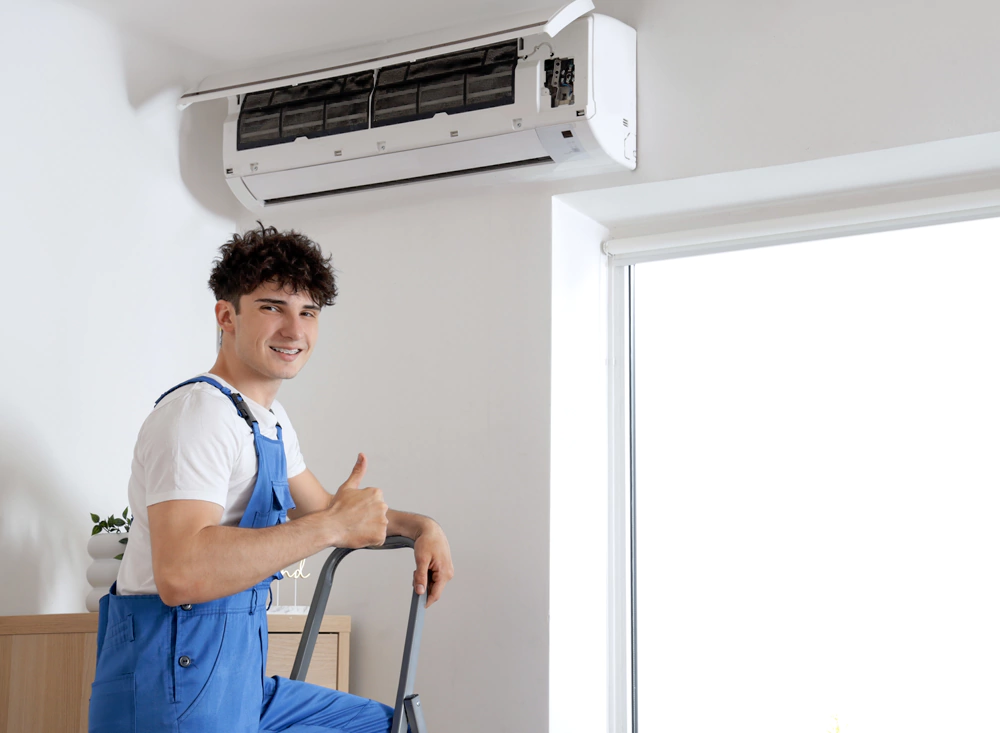
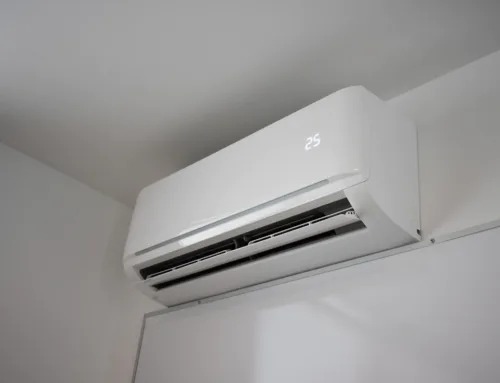
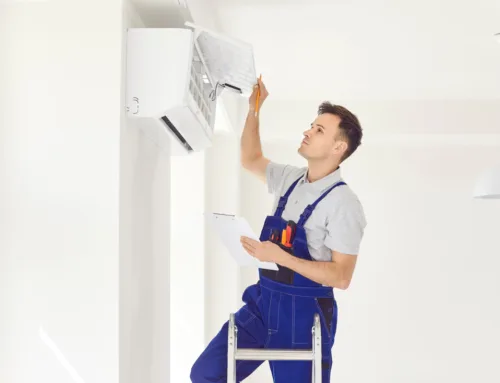
Ensure that your air ducts in the home are clear and unclogged, since dust might build up over time. Regularly changing the filters of your heating and cooling systems. Cleaning and changing the filters of the appliances like the air conditioner, which deliver air to your house as per the directions provided by the manufacturer, is another crucial step.
Conclusion
Poor quality of the air around your living environment may have many factors, which may lead to both short and long-term health effects.
In case you worry about indoor air pollution, you may improve your contentment by testing your indoor air quality. You can then act to reduce any associated health hazards and enhance the quality of the air that you breathe at home by preventing and reducing some of the pollutants.
Share on
Related Posts
Get a FREE Quote