Air Conditioning Installation Explained: What Every Homeowner Should Know
When summer rolls around and the temperature starts rising, a good air conditioner can feel like a lifesaver. On the flip side, many modern systems can also keep your home warm and comfortable during the colder months. That is why installing an air conditioner is one of the smartest upgrades many homeowners make.
Still, air conditioning installation is not as simple as picking a unit and switching it on. The size of the system matters, the location matters, and even the way it is mounted can affect how well it performs.
But the thing is that you do not need to be an HVAC expert to understand the basics. This guide breaks down everything you should know about air conditioning installation. First things first—
Understanding the Different Types of Air Conditioners
Split System Air Conditioners
Split systems are easily one of the most popular choices for Australian homes. They come with two separate parts:
- An indoor unit
- An outdoor unit
The indoor unit blows cool or warm air into the room. Meanwhile, the outdoor unit handles the heavy lifting outside. These systems are perfect for bedrooms, living rooms, home offices, and small and medium-sized spaces.
One reason homeowners love split systems is their versatility. They cool in summer and heat in winter, while being energy efficient. And they do not take up much space, no wonder they are a household favourite.
Ducted Air Conditioning Systems
If you want whole-home comfort, ducted air conditioning is often the way to go. This system uses a central unit connected to a network of ducts hidden inside your roof or ceiling. Cool or warm air is then distributed throughout multiple rooms.
The biggest advantage?
You can enjoy consistent temperatures across the house. No more freezing in one room and sweating in another. Ducted systems are especially popular in larger homes where a single split system simply cannot do the job.
Portable Air Conditioners
Portable air conditioners are the most flexible option. As the name suggests, they can be moved from room to room. They usually require:
- A power outlet
- A nearby window
- An exhaust hose
That is pretty much it.
They are often a good option for renters or anyone looking for temporary cooling. While they may not pack the same punch as larger systems, they can certainly help take the edge off a hot day.
Choosing the Right System for Your Home
Bigger is not always better. That is one of the biggest misconceptions homeowners have when shopping for air conditioners. An oversized system may cool a room too quickly without properly removing humidity. Meanwhile, an undersized unit may work overtime just to keep up.
Finding the sweet spot is key.
Room Size Matters
The size of your room plays a huge role in determining the right system. A small bedroom has very different cooling needs compared to a large open-plan living area. So, getting the sizing right helps improve comfort and efficiency.
Consider Your Home Layout
Every home is different. Some have open spaces, while others have multiple rooms separated by walls and doors. So, a single split system may work perfectly in one home and struggle in another.
That is why installers often assess your layout before recommending a solution.
Think About Insulation
Good insulation makes a massive difference. It helps keep cool air inside during summer and warm air inside during winter. Without proper insulation, your air conditioner ends up doing all the hard work.
That can send energy bills through the roof.
Energy Efficiency Counts
Nobody enjoys opening an expensive electricity bill. So, choosing an energy-efficient system can help reduce running costs over time. While these units may cost a little more upfront, they often pay for themselves through lower energy consumption.
It is a classic case of spending smart to save later.
Can Homeowners Install an Air Conditioner Themselves?
Many DIY enthusiasts love a challenge. However, air conditioning installation is not usually a weekend project. Split systems and ducted systems involve:
- Refrigerant handling
- Electrical work
- Pressure testing
- Safety regulations
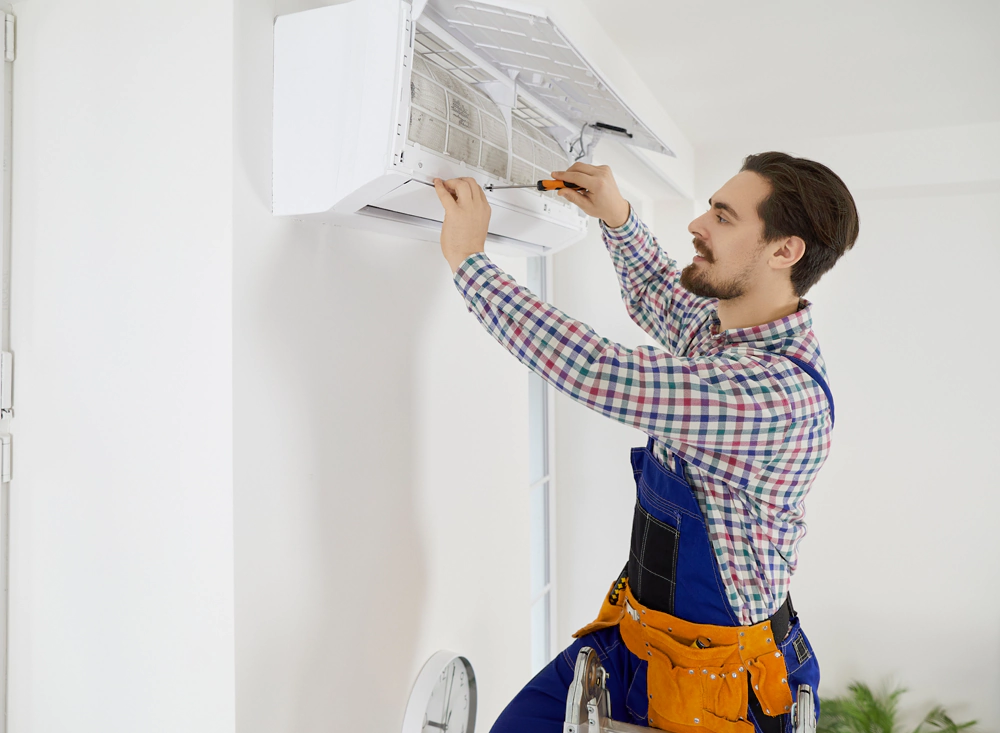
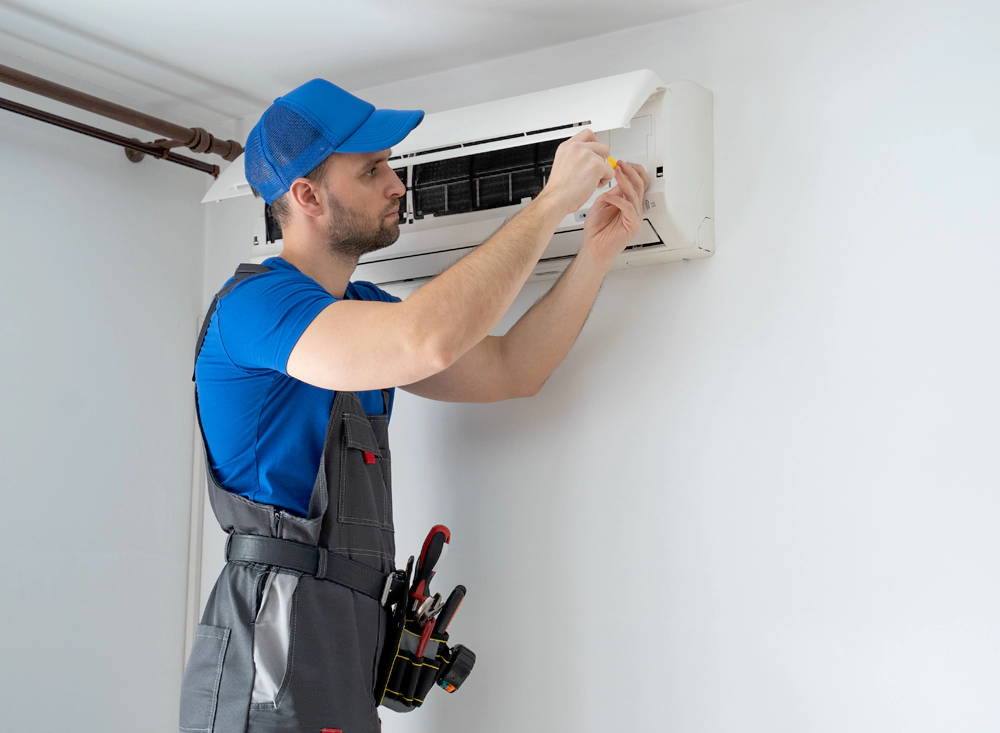
These tasks require specialised knowledge and licensing in many areas. While it is helpful to understand the process, professional installation is usually the safest and smartest route. It saves a lot of headaches later.
Typical Installation Mistakes to Avoid
In aircon installation, even small mistakes can snowball into bigger problems later. Here are some common pitfalls.
Poor Placement
Putting a unit in the wrong location can restrict airflow and reduce efficiency. Location really is half the battle.
Incorrect System Sizing
Choosing the wrong-sized unit can leave you stuck between a rock and a hard place. Too small, and it struggles; too large, and it cycles unnecessarily.
Neither option is ideal.
Drainage Issues
Improper drainage can lead to leaks, water damage, and headaches nobody wants. What starts as a small drip today can quickly snowball into a much bigger and more expensive problem tomorrow. So, a stitch in time saves nine.
Effortless Ways to Improve Efficiency
If you want to get the most out of your investment, here are a few simple habits that can make a big difference.
- Keep doors and windows closed while the system is running.
- Use ceiling fans to help circulate air.
- Close curtains during hot afternoons.
- Clean filters regularly.
- Seal drafts around doors and windows.
- Avoid extreme temperature settings.
Small changes can add up surprisingly quickly.
The Conclusion
Air conditioning installation may seem like a lot to take in at first. But once you understand the basics, it becomes much easier to navigate. From choosing the right system to understanding how installation works, a little knowledge can go a long way.
For further and more specific support with your aircon, feel free to consult with our team at Onsite Air.
Share on
Related Posts
Get a FREE Quote