A Practical Guide to Commercial Air Conditioning for Businesses
A comfortable workplace helps employees stay productive and creates a better experience for customers. Temperature plays a big role in how people feel inside a building. If an office becomes too hot or too cold, it can affect concentration, customer satisfaction, and even business operations.
A commercial air conditioning system does more than cool a space. It helps control indoor temperature, improves air quality, and keeps the environment comfortable throughout the year. Choosing the right system is an important decision because it affects your energy bills, maintenance costs, and long-term business performance.
This guide explains everything business owners should know before investing in commercial air conditioning.
What Is Commercial Air Conditioning?
Commercial air conditioning refers to cooling systems designed for business properties instead of residential homes. These systems handle larger spaces and support more people throughout the day.
You can find commercial air conditioning in offices, retail stores, restaurants, warehouses, schools, medical centres, hotels, and many other commercial buildings.
Most commercial systems also provide heating, ventilation, and humidity control. This helps maintain a comfortable indoor environment in every season.
Why Your Business Needs the Right Air Conditioning System
Every business has different cooling needs. A small office requires a different setup than a shopping centre or warehouse.
Installing the right system offers several benefits.
Better Comfort
Employees work better when indoor temperatures remain comfortable. Customers also enjoy spending more time in pleasant surroundings, which can encourage repeat visits.
Lower Energy Costs
Modern commercial systems use advanced technology to improve energy efficiency. A properly sized system uses less electricity and helps reduce monthly utility bills.
Healthier Indoor Air
Commercial air conditioners include filters that remove dust, pollen, and other airborne particles. Better air quality creates a healthier workplace for staff and visitors.
Longer Equipment Life
A system that matches your building size experiences less strain. Regular servicing also helps the equipment last longer and reduces unexpected repairs.
Types of Commercial Air Conditioning Systems
Businesses can choose from several types of commercial air conditioning systems. The best option depends on the building size, layout, and daily usage.
Split System
A split system works well for small offices, retail shops, and individual workspaces. It includes an indoor unit and an outdoor compressor. Businesses can install multiple units in different rooms if needed.
Multi Split System
A multi split system connects several indoor units to one outdoor unit. This option gives businesses greater flexibility while reducing the amount of outdoor equipment.
Ducted Air Conditioning
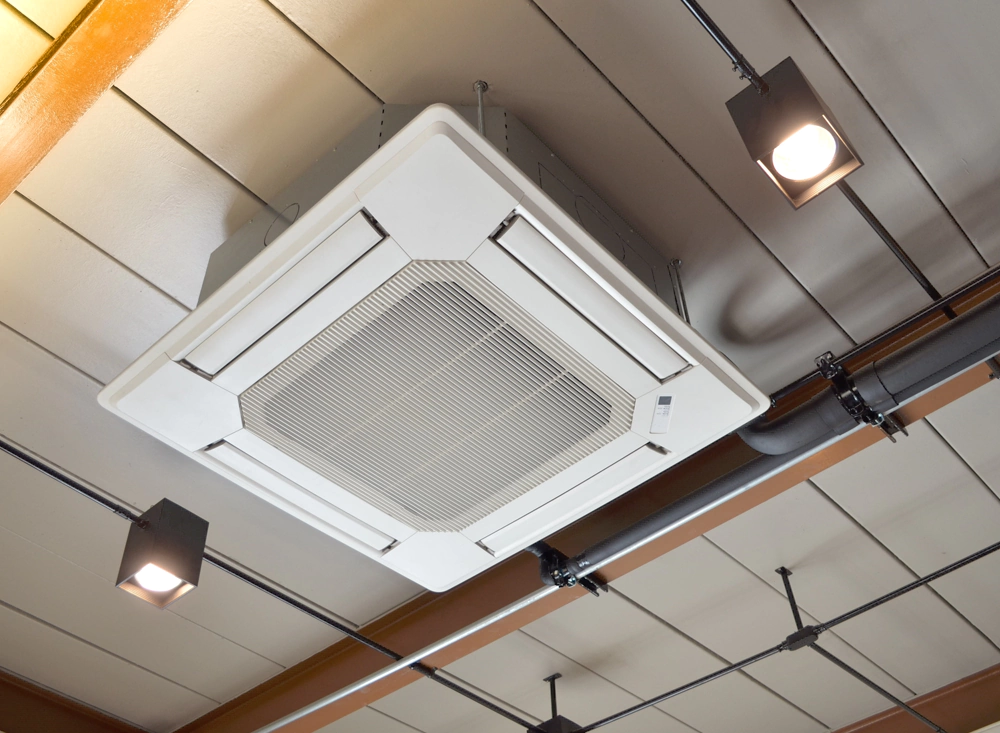
Ducted systems distribute cooled air through ducts installed in the ceiling. They suit larger offices, hotels, and commercial buildings where consistent cooling is important.
VRF or VRV Systems
Variable Refrigerant Flow (VRF) or Variable Refrigerant Volume (VRV) systems provide excellent temperature control across multiple zones. Different rooms can operate at different temperatures, making them suitable for large buildings with changing occupancy.
Packaged Systems
Packaged units contain all major components inside one cabinet. Businesses often install them on rooftops. They work well for large commercial spaces such as shopping centres, factories, and warehouses.
How to Choose the Right Commercial Air Conditioning System
Selecting the right system requires careful planning. Consider these factors before making a decision.
Building Size
A larger building requires greater cooling capacity. Installing a system that is too small forces it to work harder. Choosing an oversized unit can also waste energy.
Business Type
Think about how your business operates. Restaurants produce more heat than office spaces because of cooking equipment. Medical clinics may have stricter air quality requirements.
Number of Occupants
More people inside a building create additional heat. Your system should handle peak occupancy without losing performance.
Energy Efficiency
Look for systems with high energy efficiency ratings. Although efficient models may cost more initially, they often reduce electricity costs over time.
Future Growth
If you expect your business to expand, choose a system that can support future changes without major upgrades.
Why Professional Installation Matters
Even the best air conditioning system performs poorly if installers do not install it correctly.
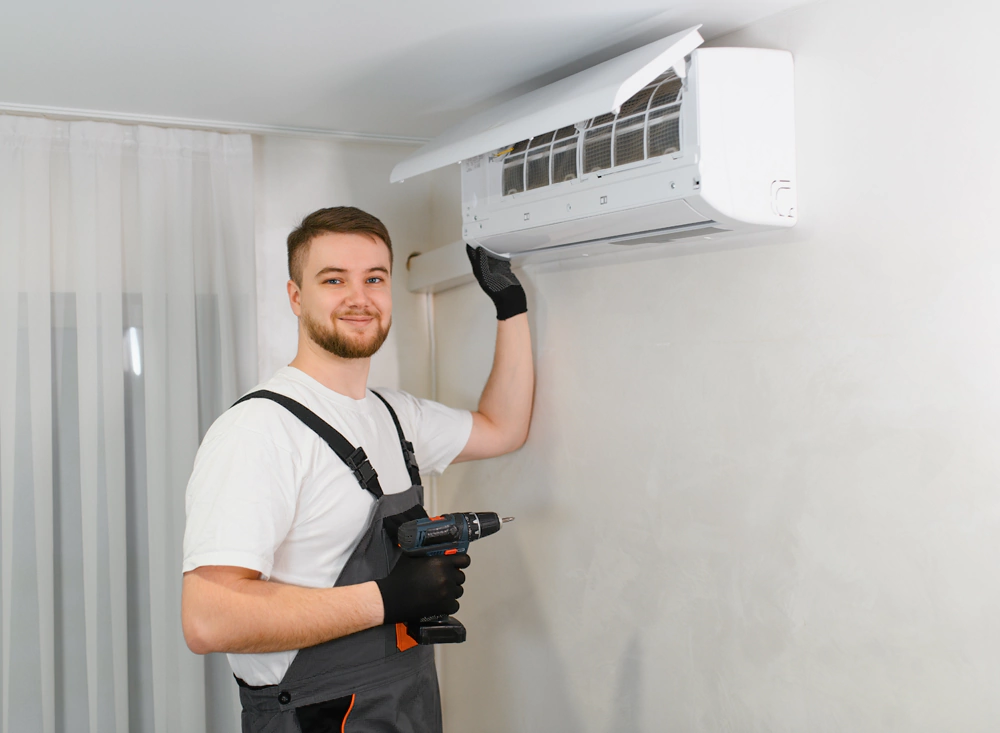
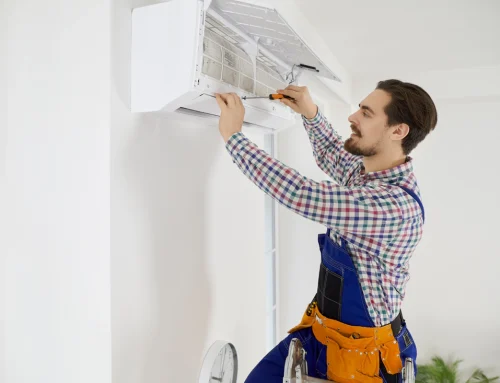
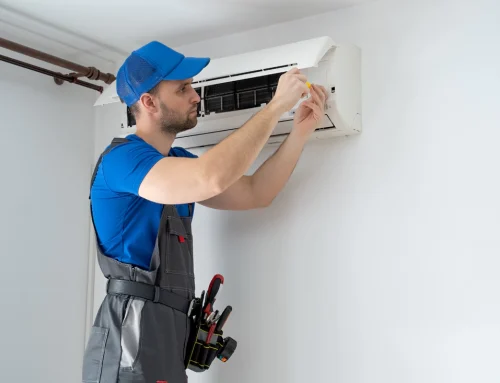
Professional technicians calculate the correct cooling load, select suitable equipment, and position indoor and outdoor units for the best performance.
They also ensure proper airflow, refrigerant levels, electrical connections, and drainage. Correct installation improves efficiency, extends equipment life, and reduces future repair costs.
The Importance of Regular Maintenance
Routine maintenance keeps your commercial air conditioning system operating efficiently throughout the year.
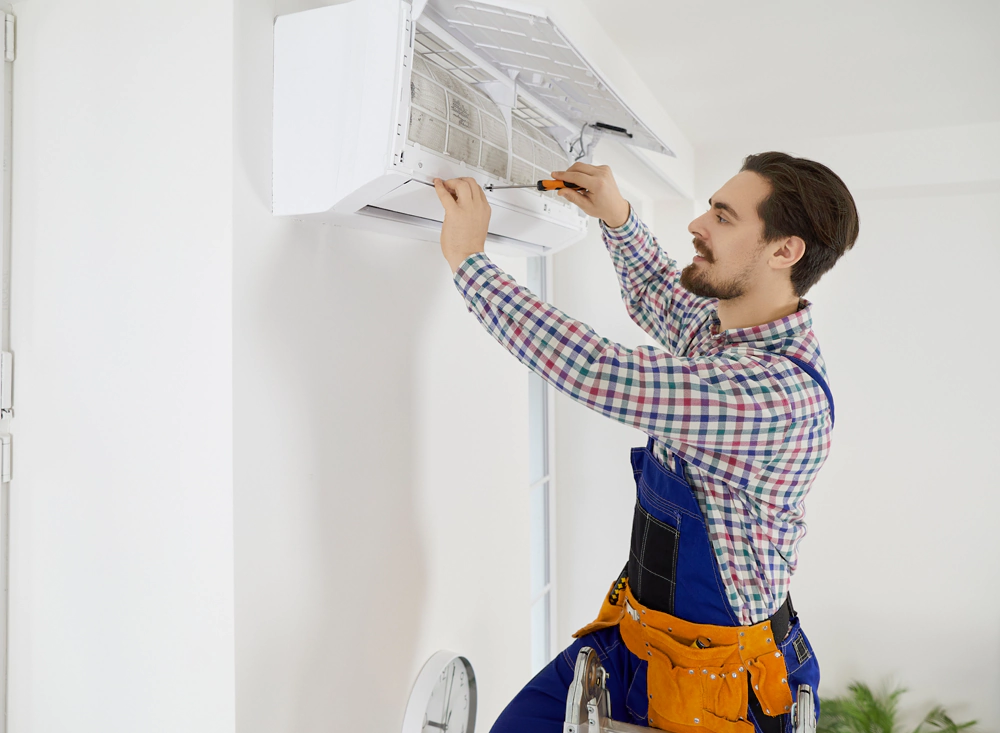
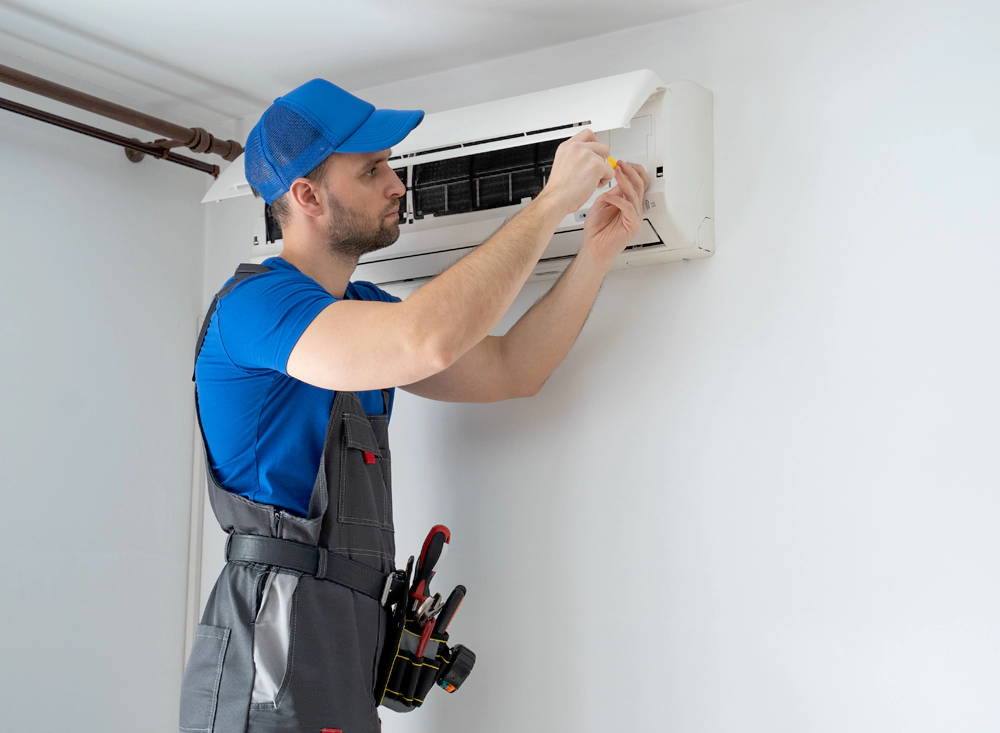
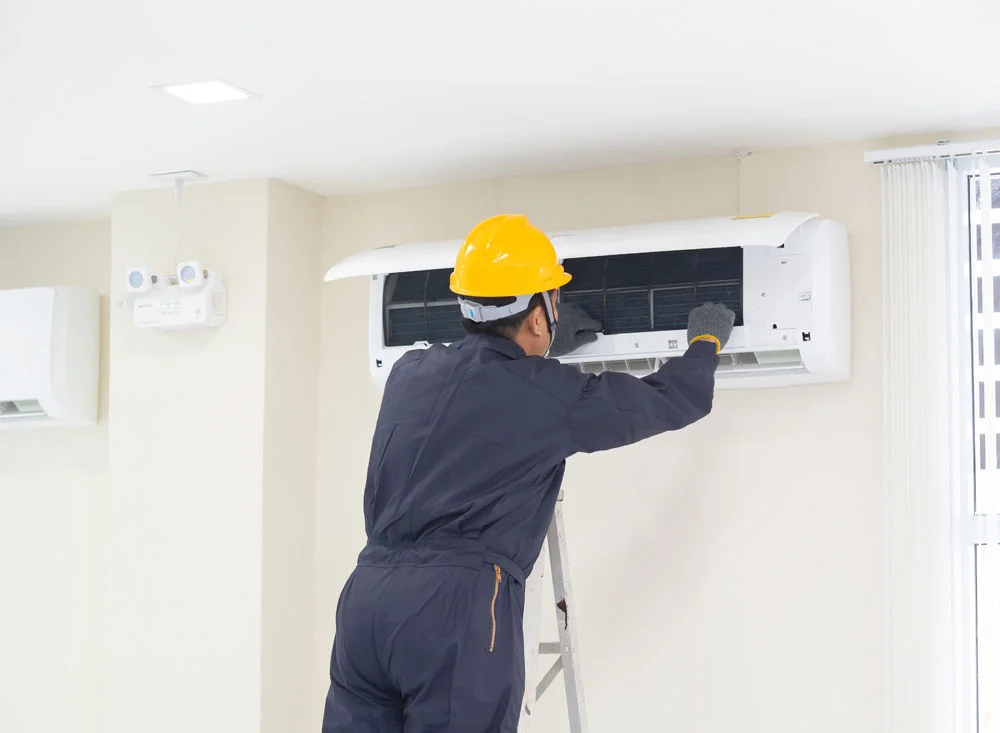
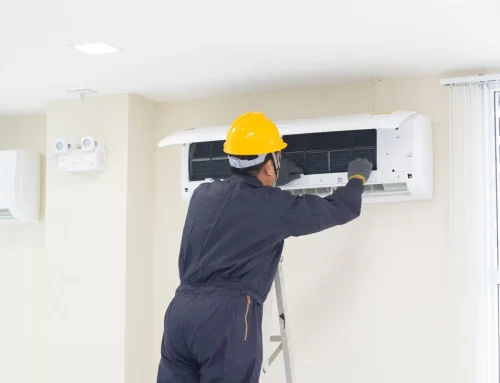
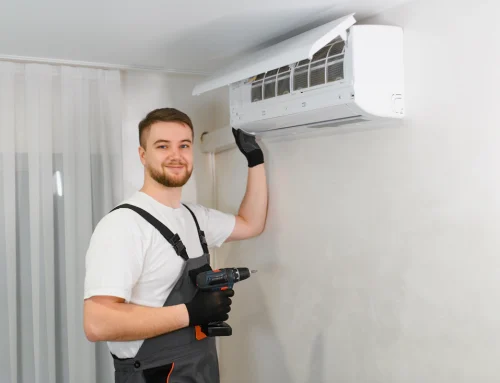
During a service appointment, technicians usually inspect filters, clean coils, check refrigerant levels, test electrical components, and examine the entire system for wear.
Regular maintenance offers several advantages.
- Improves cooling performance
- Reduces electricity usage
- Helps prevent unexpected breakdowns
- Extends system lifespan
- Improves indoor air quality
- Identifies small issues before they become expensive repairs
Many businesses schedule maintenance twice each year before summer and winter.
Common Signs Your System Needs Attention
Air conditioning systems usually show warning signs before they fail completely.
Watch for these common problems.
- Weak airflow
- Uneven temperatures
- Higher electricity bills
- Strange noises
- Bad odours
- Water leaks
- The system turns on and off too often
Ignoring these signs can lead to larger repairs and costly downtime.
Ways to Improve Energy Efficiency
Businesses can reduce running costs without sacrificing comfort. For that:
- Start by replacing or cleaning air filters regularly. Dirty filters restrict airflow and force the system to work harder.
- Keep doors and windows closed while the air conditioner operates. This prevents cool air from escaping.
- Use programmable thermostats to adjust temperatures during business hours. Avoid setting extremely low temperatures because they increase energy consumption.
- Seal air leaks around windows and doors to reduce heat entering the building.
- Finally, schedule regular servicing to keep every component working efficiently.
Final Thoughts
Commercial air conditioning is a long-term investment that supports employee comfort, customer satisfaction, and daily business operations. Choosing the right system depends on your building size, business activities, energy goals, and future plans.
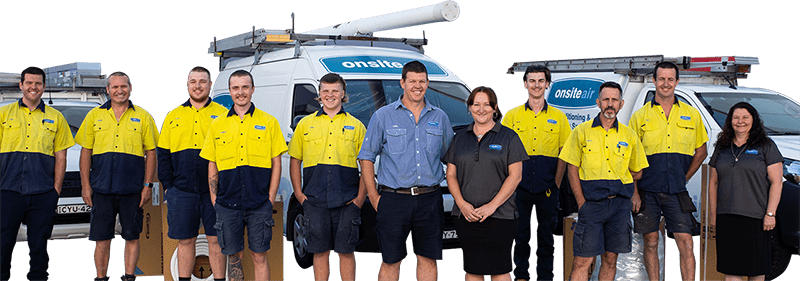
If you’re looking for reliable commercial air conditioning solutions, our experienced team at Onsite Air can help. From system selection and installation to ongoing servicing and repairs, we provide tailored solutions that keep your business comfortable throughout every season.
Share on
Related Posts
Get a FREE Quote