AC Not Functioning Well? Causes, Troubleshooting Tips, and Solutions
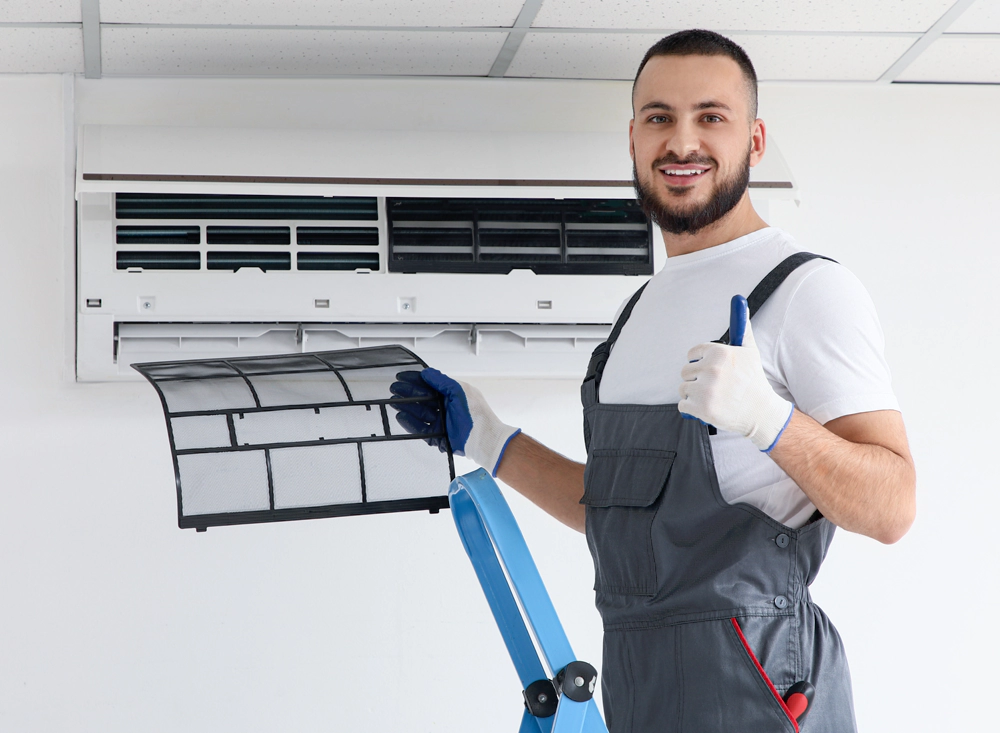
An air conditioner that runs but does not cool the room is a common problem, and it often appears on the hottest days when you need the system most. The unit may blow warm air, cool only part of the room, or run for hours without reaching the set temperature. This guide explains why an AC stops cooling, what you can check yourself, and when to book a service.
Quick Checks When Your Air Conditioner Is Not Cooling
Before assuming there is a serious fault, check the basic settings. These steps take only a few minutes.
- Confirm the thermostat or remote is set to cool mode and the target temperature is lower than the current room temperature.
- Replace the remote batteries if the display is dim or the unit does not respond.
- Check that the circuit breaker has not tripped and that the isolator switch near the outdoor unit is on.
- Clear leaves, grass clippings or boxes from around the outdoor unit.
Why Is My Air Conditioner Not Cooling? Common Causes
A compromised AC can have many causes, from a clogged filter to a failed compressor. These are the most common, starting with the easiest to fix.
Dirty Air Filters Reducing Cooling Performance</h3
Filters collect dust, pet hair and lint. When they clog, less air passes over the cooling coil, so airflow weakens, and the room cools slowly. Restricted airflow can also cause the coil to freeze. The Solar Victoria buyer’s guide advises cleaning the dust filters about twice a year, or more often if you use the unit regularly.
Dirty Evaporator and Condenser Coils
The indoor coil absorbs heat from your room and the outdoor coil releases it. A layer of dirt on either coil reduces how well the system transfers heat. Coil cleaning is a job for a technician, because the coils are delicate and easy to damage.
Low Refrigerant or a Refrigerant Leak
Refrigerants carry heat out of your home. It is not used up like fuel, so low levels almost always point to a leak. Signs include warm air from the vents, hissing or bubbling sounds, ice on the pipes and a system that never reaches the set temperature. Under Australian law, it is an offence to handle refrigerant without a licence, as the Australian Refrigeration Council explains. This repair must be done by a qualified technician.
Ice on the Indoor Unit: Frozen Evaporator Coil
If you see ice on the indoor unit or the refrigerant pipes, turn the system off. Ice usually forms because of poor airflow or low refrigerant. Running the unit while it is frozen can damage the compressor. Set it to fan-only mode for a few hours to thaw the ice, then check the filter. If the ice returns, call a technician.
Faulty Capacitor or Failed Compressor
The compressor is the main working part of the system, and the capacitor helps it start. If the outdoor fan runs but the compressor does not, or the unit hums and then shuts off, one of these parts may have failed. A failed capacitor is a fairly affordable repair. A failed compressor costs more and may change whether repair or replacement makes sense.
Blocked Condensate Drain and Water Leaks
Air conditioners remove moisture from the air and send it out through a drain line. If the line blocks with algae or debris, water can back up and trigger a safety switch that turns the system off.
Thermostat and Sensor Faults
A faulty thermostat or temperature sensor gives the system wrong information. The unit may switch off early or cool unevenly.
Undersized or Ageing Air Conditioner
A system that is too small for the space cannot keep up with the heat load, especially in a heatwave. Older systems also lose efficiency over time.
How to Troubleshoot an AC That Is Not Cooling
If the basic checks did not solve the problem, follow these steps in order.
- Turn the system off at the remote and at the wall for ten minutes, then restart it. This resets the control board.
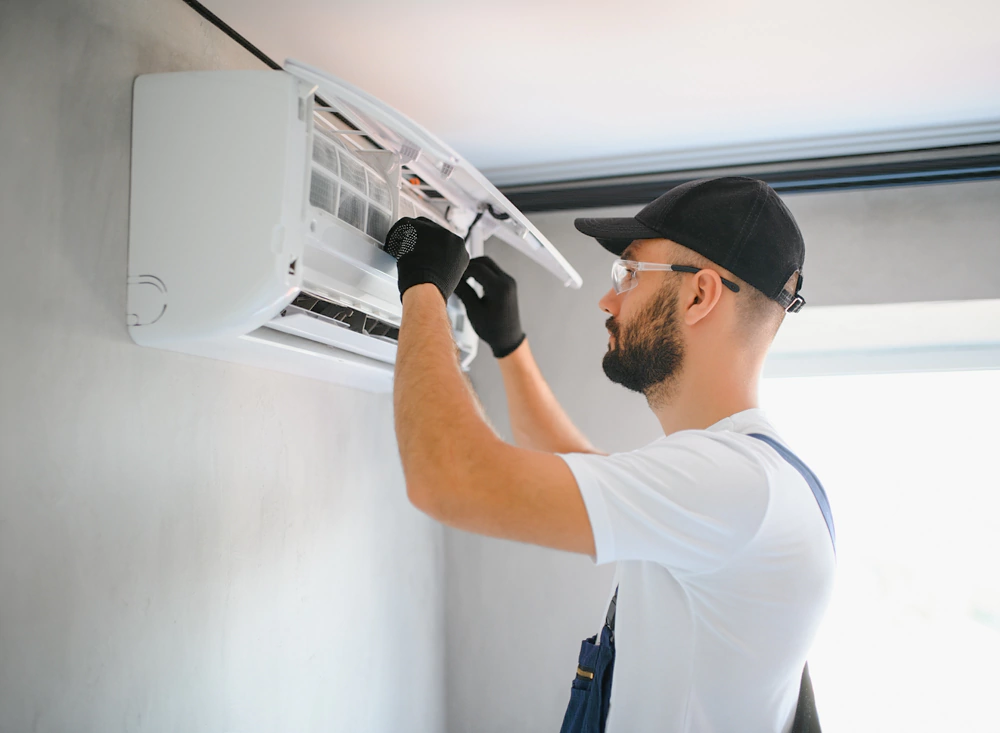
- Remove and inspect the filter. Wash reusable filters with water and let them dry fully before refitting.
- Check the vents and return grilles, and move any furniture or curtains that block airflow.
- Look for ice, water leaks or unusual noises.
- Run the system for fifteen minutes and feel the air from the vents. It should be noticeably cooler than the room air.
Do not open the outdoor unit, handle electrical parts or try to add refrigerant. These tasks are dangerous and can void your warranty.
When to Call an Air Conditioning Technician
Book a technician if you notice any of the following:
- Warm air continues after you have cleaned the filter
- Ice returns after thawing
- The unit trips the circuit breaker
- Burning smells, grinding or rattling sounds
- Power bills rising without any change in use
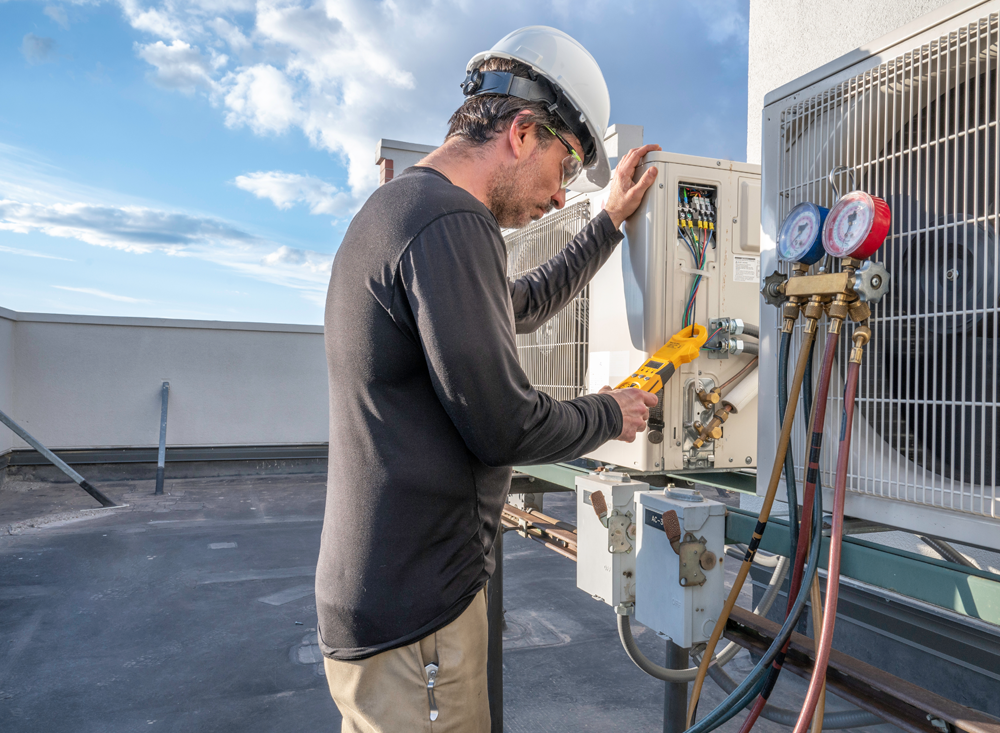
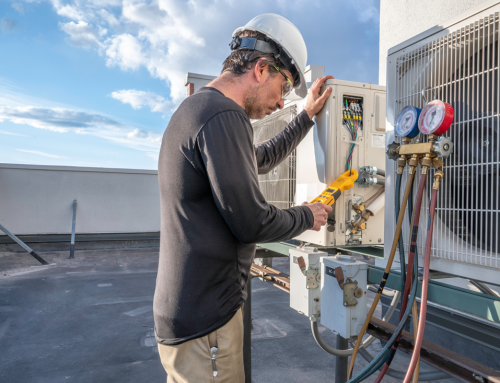
A technician will test refrigerant pressure, check the electrical components, clean the coils and drain, and explain the cost before any repair starts.
Air Conditioner Repair or Replacement: Which Is Better?
A repair usually makes sense when the system is well within its expected life, and the fault is minor, such as a capacitor, sensor or drain issue. Replacement is worth considering when the system is near or past the 15 to 20 year average, the compressor has failed, repairs are becoming frequent, or the refrigerant type is now costly to source.
How to Prevent Air Conditioner Cooling Problems
- Clean the filters at least twice a year, and more often with heavy use.
- Have the system serviced at the frequency in the manufacturer’s manual, ideally before summer.
- Keep the outdoor unit clear of plants and debris, following the clearances in the manual.
- Set the thermostat between 24 and 26°C for cooling. Solar Victoria notes that every degree lower increases running costs by around 10%.
Concluding Words
If your air conditioner is not cooling, Onsite Air can help. Our family-owned team services homes and businesses across Maitland, Newcastle, the Hunter Valley, Port Stephens, Lake Macquarie, Singleton and Cessnock, and we work with major brands including Daikin, Fujitsu, Mitsubishi Electric, LG, Hitachi and Carrier. Contact us for a clear diagnosis, an accurate quote and a repair that restores comfort to your space.
Share on
Related Posts
Get a FREE Quote