Multi-Split vs Single-Split Air Conditioner: How to Choose for Your Home

A multi-split air conditioner serves several rooms from one outdoor unit, whereas a single-split air conditioner serves one room from one outdoor unit. This simple difference changes the cost, the installation work, the control you have in each room and the way the system behaves when a fault occurs. This guide therefore compares the two options in plain terms, so that you can match the system to your home.
How Single-Split and Multi-Split Systems Work
A single-split system pairs one indoor unit with one outdoor unit. For example, if you want to cool three rooms, you install three complete systems, and each one has its own outdoor unit, pipework and remote controller.
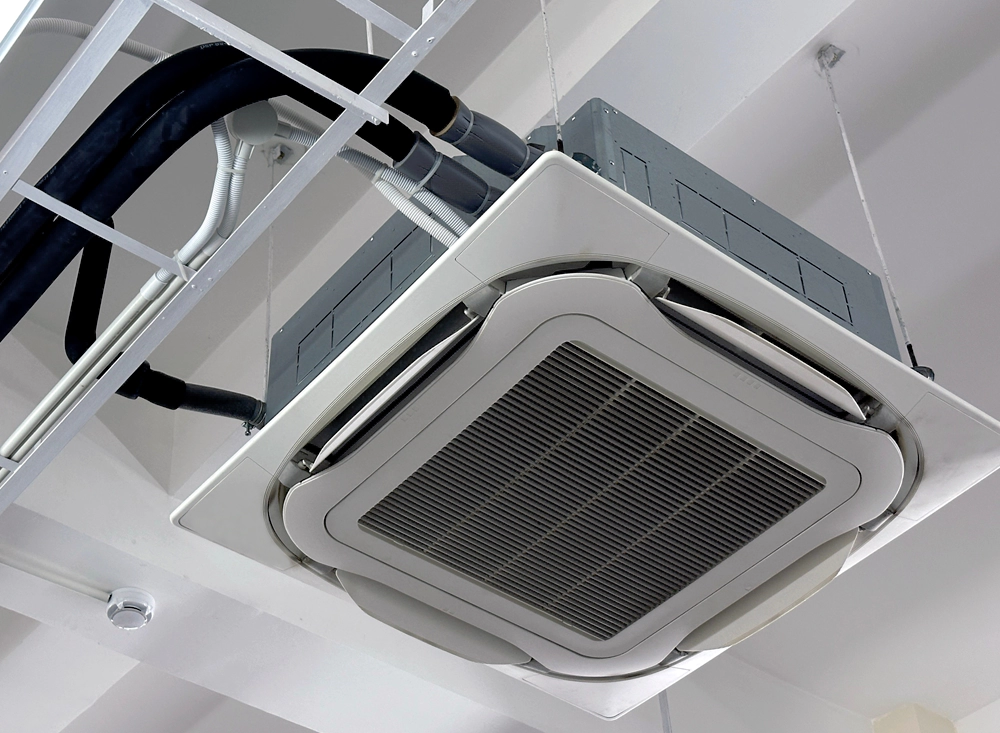
A multi-split system, by contrast, connects two or more indoor units to one outdoor unit through separate refrigerant pipes. Each indoor unit has its own controller, so you can switch rooms on and off independently. However, the number of indoor units that an outdoor unit supports depends on the model.
Outdoor Space and Appearance
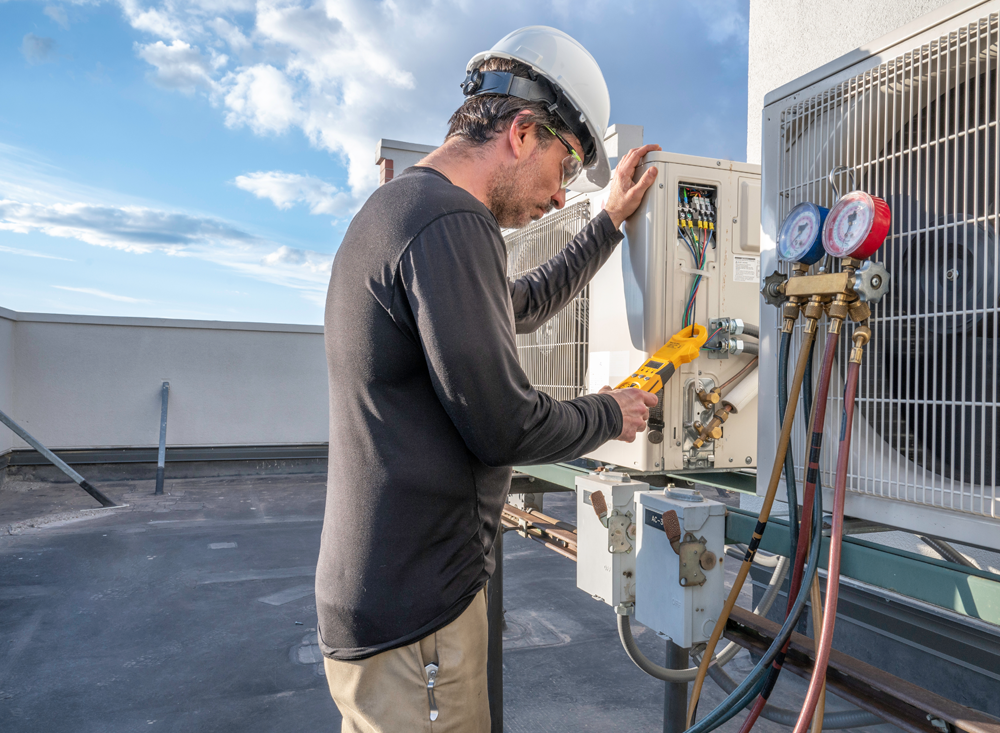
Outdoor space is often the first practical limit. Each single-split system needs its own outdoor unit, and each unit needs clearance for airflow and for a technician to reach it. A multi-split, by comparison, reduces this to one unit.
Consider, for instance, a three-bedroom townhouse with a narrow courtyard, and strata rules about visible equipment. There may be room for one outdoor unit but not three. In that case, a multi-split is usually the practical choice, provided that the pipe routes to each bedroom are workable.
Installation and Upfront Cost
Installation also differs between the two. A single-split installation is usually quick because the pipe run between the two units is short. A multi-split, meanwhile, needs a refrigerant line from the outdoor unit to every indoor unit. Longer runs and several routes through walls or ceilings therefore take more planning and labour, and each model has limits on pipe length and height difference.
Upfront cost depends on the brand, the capacity and the condition of the site. As a result, a multi-split can cost less than several separate systems in one home and more in another. When you compare quotes, check that each one covers the same scope, including electrical work, drainage and repairs to wall finishes.
Licensing is the third point to check. In Australia, anyone who handles refrigerant must hold a refrigerant handling licence from the Australian Refrigeration Council. The ARC states that the restricted split-system installation licence covers single-head systems only, so a multi-split installation needs a full refrigeration and air conditioning licence. For this reason, ask to see the licence before work begins.
Control and Reliability in Daily Use
Daily control is another difference. Each indoor unit in a multi-split can run on its own schedule, but all of them share one outdoor unit. Residential multi-split systems also generally need every running indoor unit to operate in the same mode, so one room cannot cool while another heats. Separate single-split systems have no such restriction.
Reliability is the main trade-off that follows from this shared design. If one single-split system develops a fault, the other rooms keep working. In a multi-split, however, a fault in the outdoor unit means that every connected room loses heating and cooling until it is repaired.
To see the difference in practice, think of a household where someone works from home during summer. With a multi-split, one outdoor unit fault can leave the home office, lounge and bedrooms without cooling at the same time. With separate systems, in contrast, a fault in the office unit would leave the other rooms unaffected.
Running Costs and Energy Efficiency
Running costs are the next concern, and neither type is automatically cheaper to run. Energy use depends on the efficiency of the model, how well the capacity matches the room, insulation, running hours and the temperature you set.
Energy labels also need a closer look. Non-ducted single-split air conditioners must carry the Zoned Energy Rating Label, which shows star ratings for each climate zone. According to the Australian Government’s Energy Rating website, however, multi-split units are not required to carry this label. Therefore, when you consider a multi-split, ask the supplier for the efficiency and power input figures for the exact outdoor and indoor combination you are buying.
Sizing is a further factor, and it affects comfort in both systems. A unit that is too large reaches the set temperature quickly and then cycles at low output, which can leave a room less comfortable. Conversely, a unit that is too small runs at high output for long periods. A correct size therefore comes from the room dimensions, window area, ceiling height and sun exposure.
Which Air Conditioner Suits Which Home?
With these differences in mind, single-split systems suit a home where only one or two rooms need cooling, where rooms are used at different times, or where the budget means installing one room at a time. They also suit properties with room for several outdoor units.
Multi-split systems, in turn, suit a home where several rooms need regular heating or cooling and outdoor space is limited. They also suit buildings where the appearance of the outside matters. In either case, the rooms should be close enough to the outdoor unit for practical pipe runs.
Maintenance Requirements for Single and Multi-Split Aircon
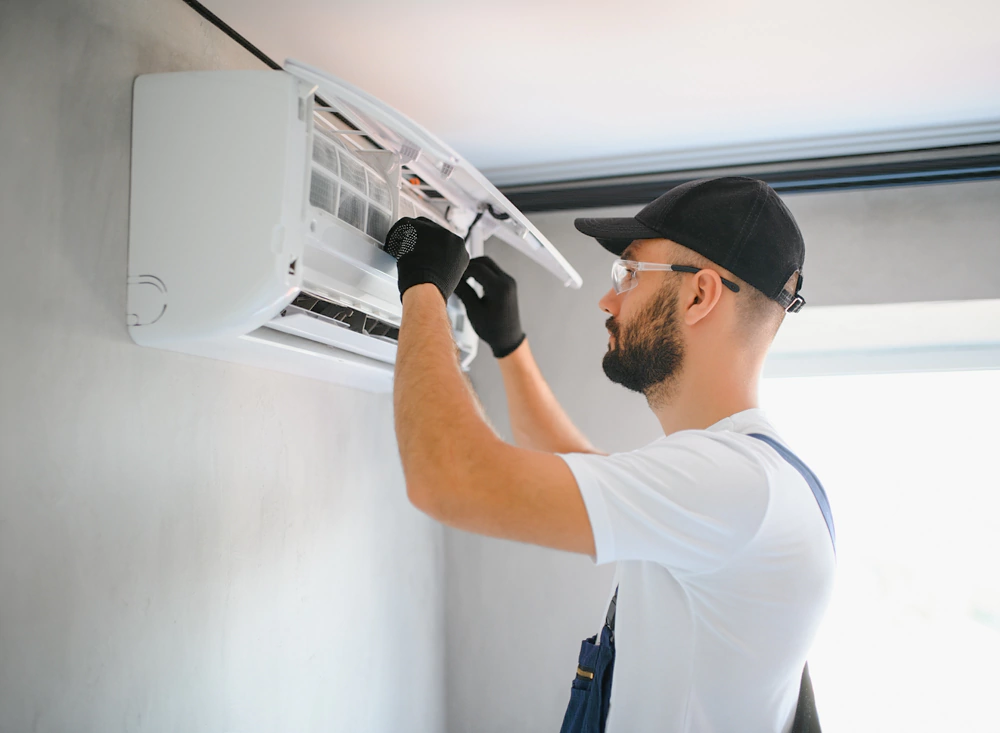
Once the system is installed, both types need the same basic care. Clean the indoor filters every few months, depending on use, and keep the outdoor unit clear of leaves, dirt and stored items. In addition, book a professional service each year so that the coils, drains and refrigerant circuit are checked.
Questions to Ask Before You Decide
Take these questions to every installer so that you can compare their answers.
- How many indoor units can this outdoor unit support, and what is the total connected capacity?
- Where will the outdoor unit sit, and does the position meet noise and strata requirements?
- Which licence do you hold, and does it cover this type of system?
Concluding Words
Start with how many rooms need cooling, how much outdoor space you have and how much a single fault would disrupt your household. If independent operation matters most, separate single-split systems usually fit better. If outdoor space or appearance is the limit, however, a multi-split is often the practical solution. Finally, an installer who inspects the property can confirm what is possible.
Not sure which system suits your home? Onsite Air Conditioning can assess your rooms, outdoor space and budget, then recommend a suitable option. Contact us to request a quote.
Share on
Related Posts

Get a FREE Quote