How to Become a Qualified Air Conditioning Technician: A Complete Career Guide
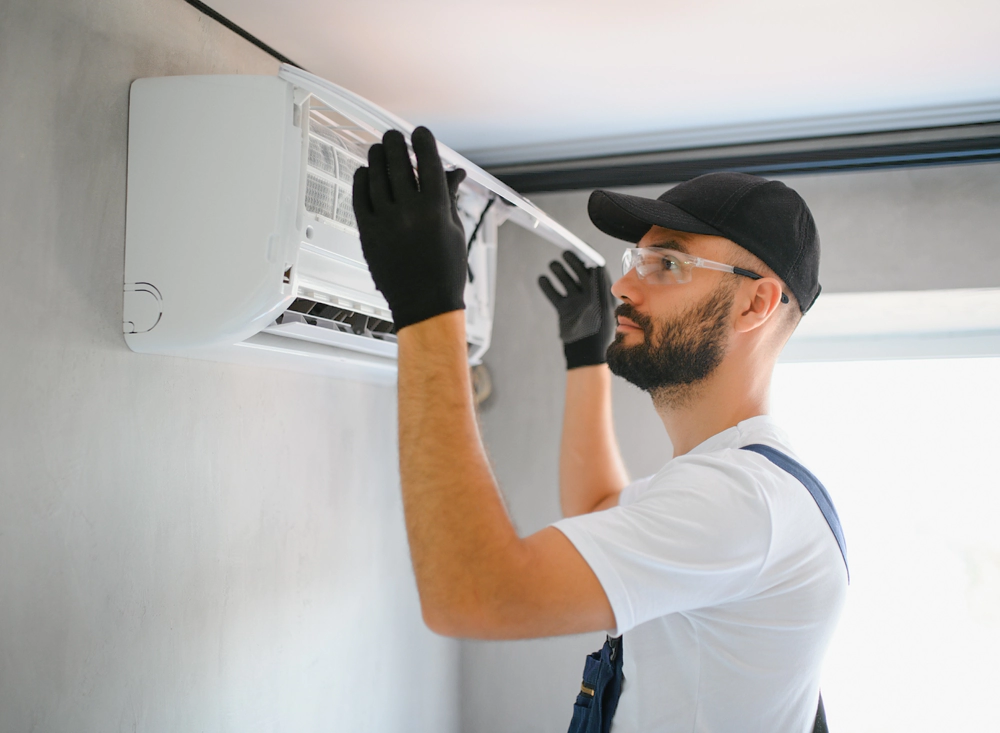
Air conditioning is an important part of everyday life in Australia. Homes, offices, shops, hospitals and factories all rely on heating and cooling systems to maintain comfortable indoor temperatures. This creates steady demand for skilled air conditioning technicians.
If you enjoy practical work, solving problems and working with electrical and mechanical equipment, becoming an air conditioning technician could be a good career choice. The role offers hands-on work and opportunities to build specialist skills over time.
Here is what you need to know about becoming a qualified air conditioning technician in Australia.
Understand what an air conditioning technician does
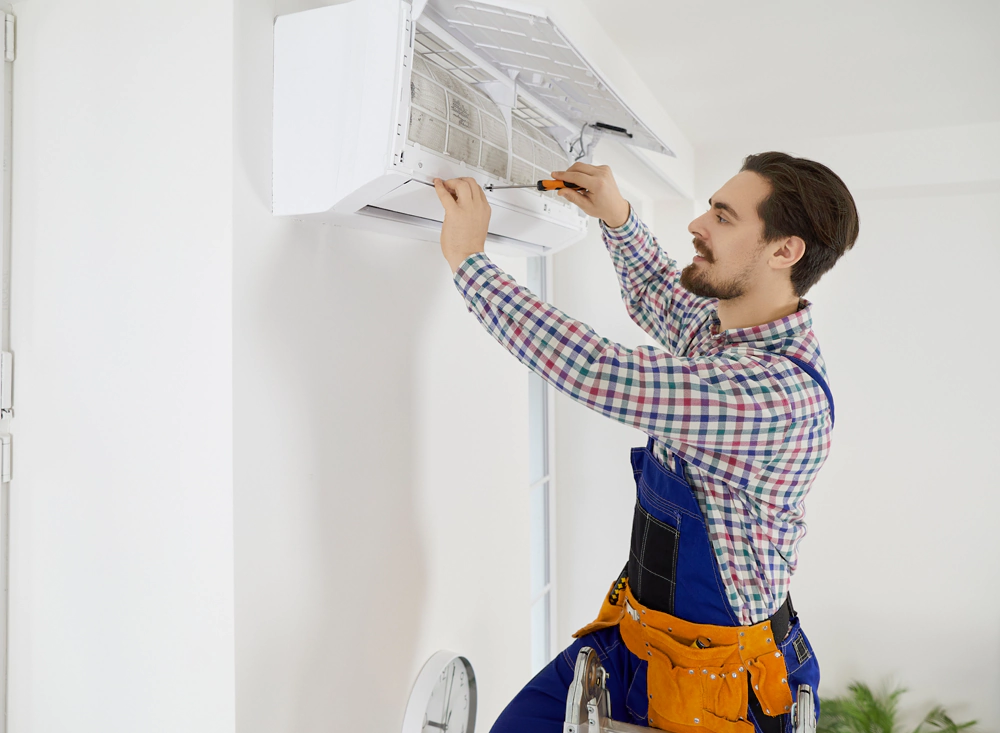
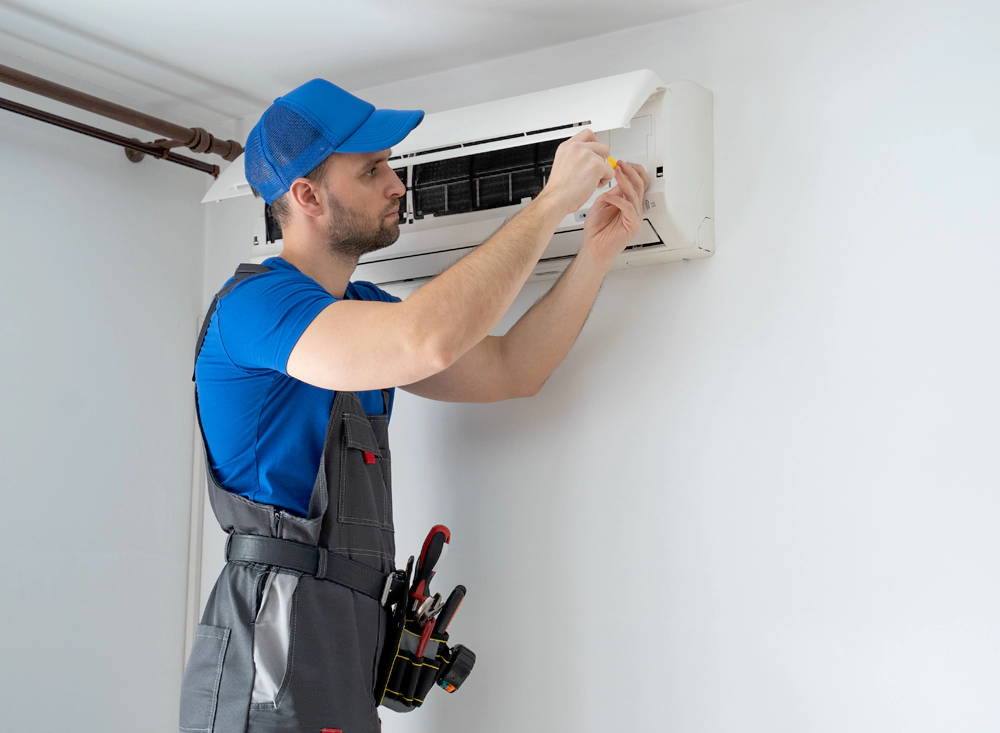
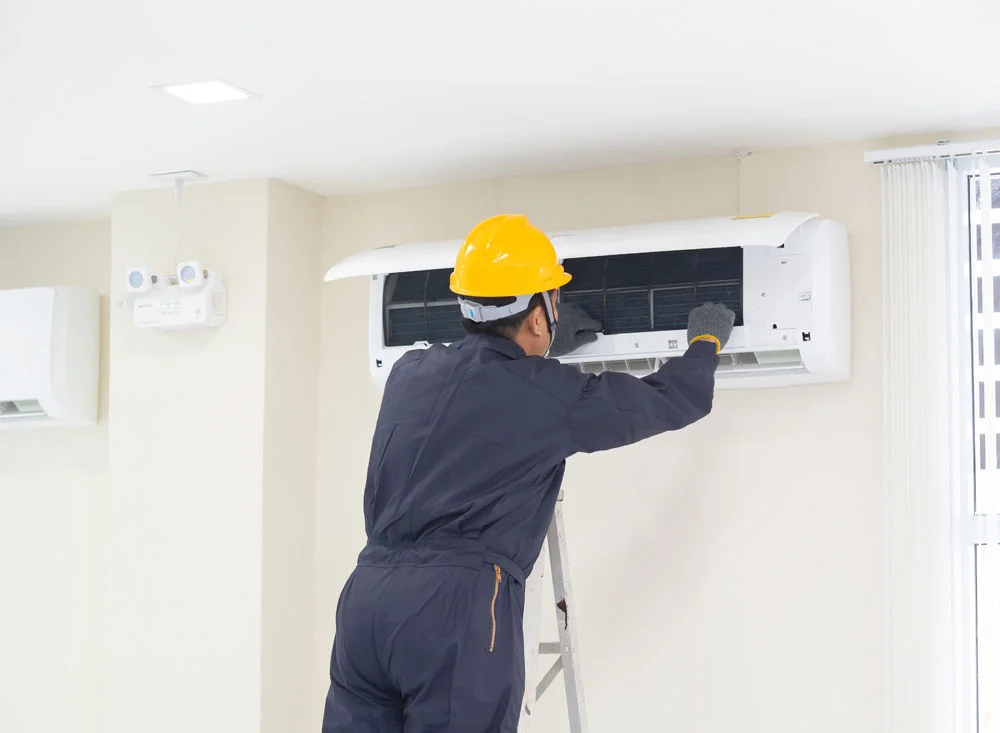
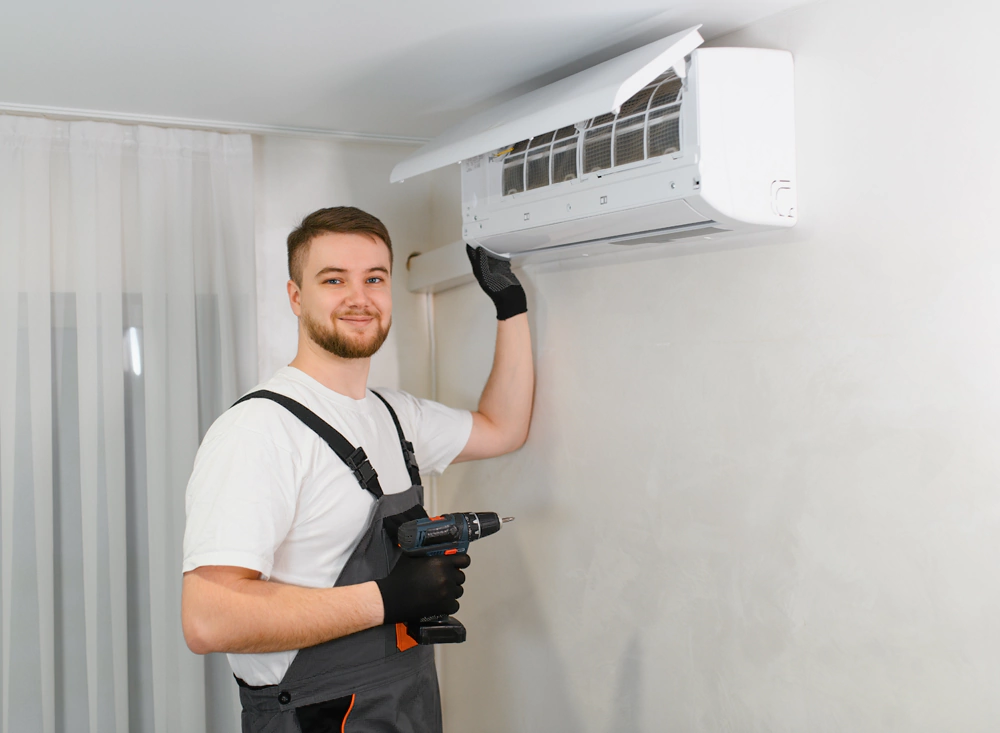
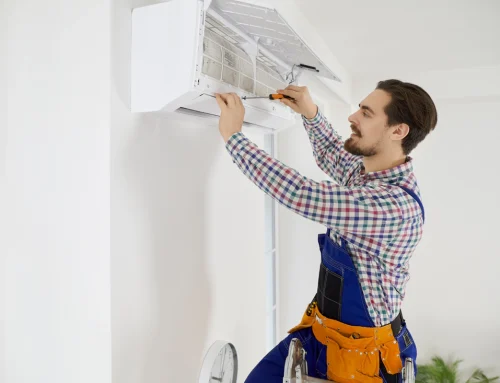
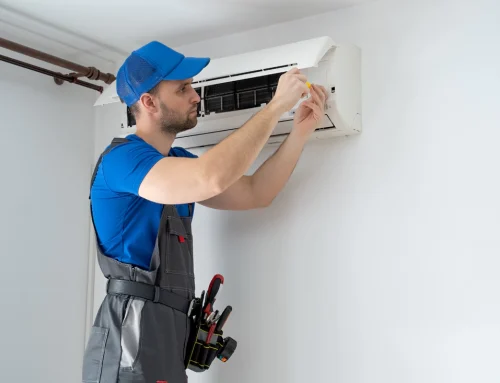
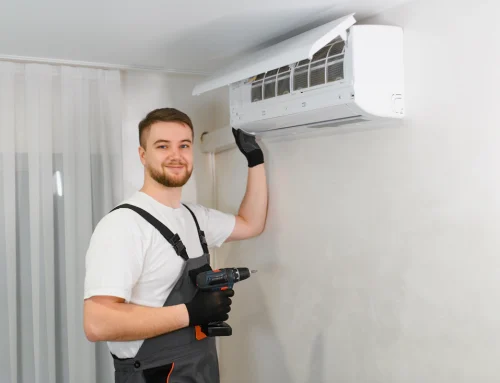
An air conditioning technician does much more than install an air conditioner. Their work can include installing, testing, servicing, maintaining and repairing different heating, ventilation, air conditioning and refrigeration systems.
A typical day may involve visiting a residential property to service a split system or working on a larger system in a commercial building. Technicians also diagnose faults, replace damaged components, check electrical connections and make sure systems operate safely.
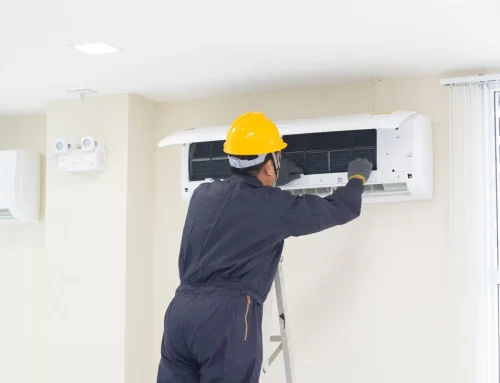
The job can involve working indoors and outdoors. Technicians may also need to work in tight spaces, at heights or in different weather conditions. Good physical fitness and a practical approach can help.
Complete the right qualification
The first major step is to complete a recognised trade qualification. One common pathway is a Certificate III in Air Conditioning and Refrigeration.
For example, UEE32220 Certificate III in Air Conditioning and Refrigeration covers skills such as selecting components, installing systems, setting up equipment, testing performance, finding faults, repairing systems and carrying out maintenance. The qualification also covers requirements related to refrigerant handling.
Other qualifications may also meet the requirements for an Australian Refrigeration Council refrigerant handling licence. These include newer and superseded Certificate III and Certificate IV qualifications, depending on the units completed and the type of work you want to perform.
Before enrolling, check that the course meets the current licensing requirements for the work you plan to do.
Consider an apprenticeship
An apprenticeship gives you a practical way to enter the industry. You learn through a combination of formal training and supervised work.
During an apprenticeship, you can develop skills while working alongside experienced technicians. You may learn how to install equipment, read technical information, use tools, identify faults and follow workplace safety procedures.
This practical experience matters because air conditioning work involves much more than understanding theory. You need to know how equipment behaves in real working conditions and how to approach problems safely.
Trainees who handle refrigerant during their training may need an ARC trainee licence. This licence allows trainees to handle refrigerant during training or assessment under the required supervision.
Obtain your Refrigerant Handling Licence
A qualification alone does not automatically allow you to handle refrigerant.
In Australia, people who work on refrigeration and air conditioning equipment and carry out work that could release fluorocarbon refrigerant need an appropriate Refrigerant Handling Licence. This can include installing, commissioning, servicing, maintaining or decommissioning relevant equipment.
The Australian Refrigeration Council manages the refrigerant handling licence scheme on behalf of the Australian Government.
The licence you need depends on the type of work you perform. For example, the RAC01 licence covers qualified people working on air conditioning and refrigeration equipment outside the automotive industry. There are also restricted licences for specific types of work, including certain split systems.
Check the current licence requirements before starting work because different systems and jobs can have different requirements.
Build your electrical and technical skills
Air conditioning technicians need a strong understanding of how different parts of a system work together. Electrical knowledge is particularly useful because technicians often work with motors, compressors, controls, wiring and other electrical components.
You should also become comfortable using tools and testing equipment. Depending on your role, this can include pressure gauges, multimeters, vacuum pumps and leak detection equipment.
You also need to understand refrigerants and safe refrigerant recovery. The industry continues to use different refrigerants, so technicians need to stay familiar with the equipment and safe working practices associated with them. For example, R32 has become common in newer air conditioning systems and requires appropriate licensing and specific work practices.
Learn workplace health and safety
Safety should become part of your normal working routine from the beginning of your career.
Air conditioning technicians can face several workplace hazards. These may include electrical risks, refrigerant exposure, moving machinery, working at heights and lifting heavy equipment.
You need to follow workplace procedures, use the correct personal protective equipment and handle tools and equipment properly. You should also understand safe isolation procedures and follow the relevant industry requirements.
The Refrigerant Handling Code of Practice 2025 provides guidance for safe refrigerant handling in stationary and transport refrigeration and air conditioning work.
Gain experience with different systems
Once you have your qualification and the required licence, gaining broader experience can help you become a more capable technician.
Try to work with different types of equipment where possible. This could include split systems, ducted air conditioning, commercial systems, refrigeration equipment and larger HVAC systems.
Different systems present different challenges. Working across several types of equipment can improve your fault-finding skills and help you understand which repair or maintenance approach suits each situation.
Keep developing your skills
Air conditioning technology continues to change. Manufacturers introduce new systems, controls and refrigerants, while energy efficiency remains an important consideration for property owners.
A qualified technician should therefore keep learning after completing their apprenticeship. Short courses, manufacturer training and additional industry qualifications can help you develop specialist knowledge.
You can also explore areas such as commercial HVAC, refrigeration, building management systems or energy management as your experience grows.
Explore career opportunities
After becoming qualified, you can work for an air conditioning company, refrigeration business, building services company or facilities management provider. Some technicians eventually start their own businesses.
Your experience can also help you move into specialised roles. You may choose to focus on residential installations, commercial maintenance, refrigeration, fault diagnosis or larger HVAC systems.
Start building your career
Becoming a qualified air conditioning technician takes time, training and practical experience. The usual pathway involves completing an appropriate qualification, gaining supervised industry experience and obtaining the licences required for your work.
At Onsite Air, we understand the value of having trained and skilled technicians who know how to handle different air conditioning systems safely and efficiently. If you are considering a career in this field, we encourage you to start by researching recognised training providers and checking the current licensing requirements. With the right training, hands-on experience and a willingness to keep learning, you can build a rewarding career in Australia’s air conditioning industry.
Share on
Related Posts
Get a FREE Quote