How Effective Is Solar Air Conditioning?
With electricity prices continuing to rise across Australia, many homeowners and business owners are looking for practical ways to reduce energy costs. Air conditioning often makes up a large portion of power bills, especially during long, hot summers. That is why solar air conditioning has become an increasingly popular option.
But how effective is it in real world conditions? Is it genuinely worth the investment, or does it sound better in theory than in practice? Let’s look at how it works and whether it makes sense for your property.
What Is Solar Air Conditioning?
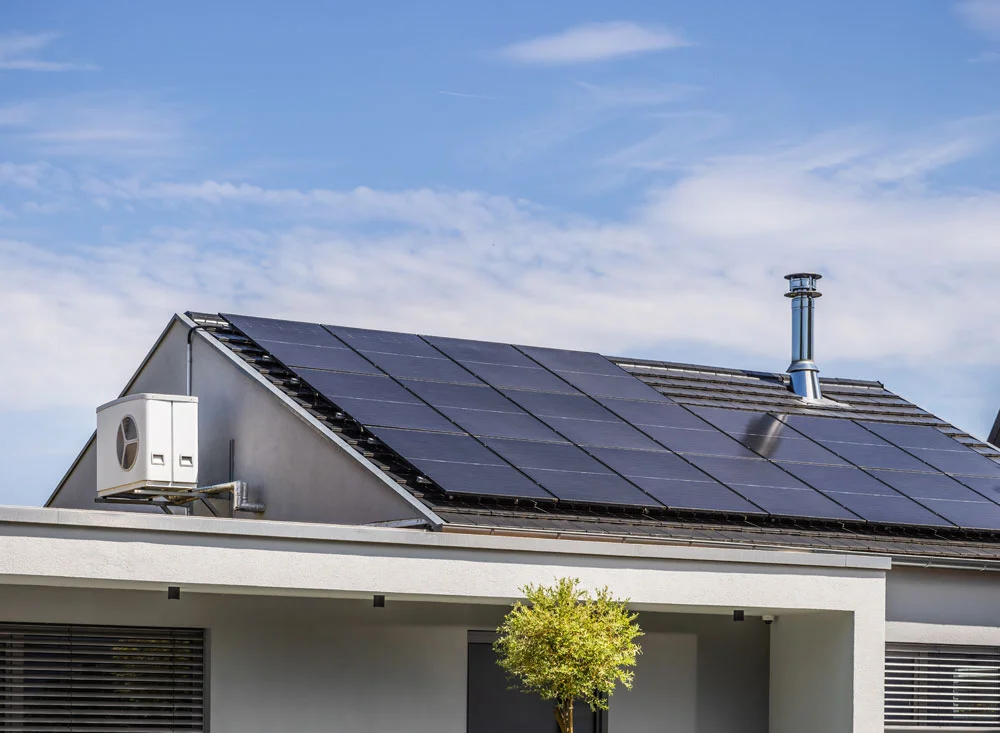
Solar air conditioning uses energy generated from rooftop solar panels to power your cooling system. Instead of relying completely on grid electricity, your air conditioner uses solar energy during the day when panels are producing power.
There are two common setups.
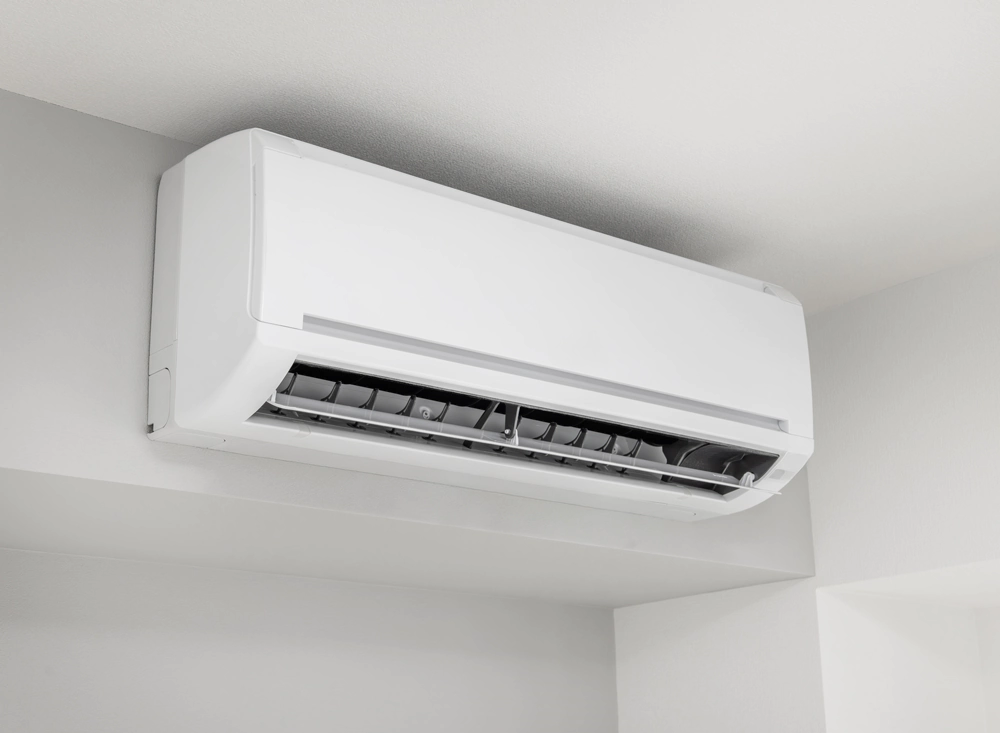
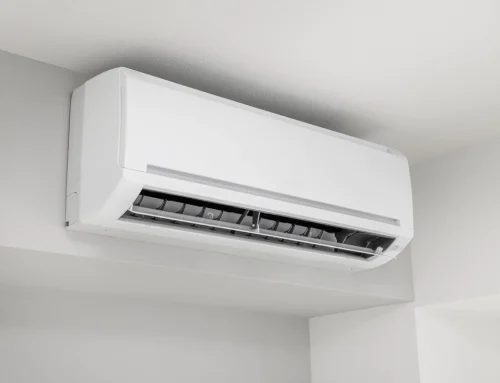
The first option connects a standard split system or ducted air conditioner to a solar panel system. During daylight hours, the air conditioner draws from the solar energy being produced. If more power is needed, it supplements the grid.
The second option involves hybrid solar air conditioners. These systems are specifically designed to integrate with solar input and may combine solar and grid electricity automatically when required.
In both cases, the goal remains the same. Reduce reliance on grid electricity and lower running costs.
How Well Does Solar Air Conditioning Work in Australia?
Australia is well suited to solar power. Most regions receive strong sunlight for much of the year, which makes solar energy a practical and reliable option.
Cooling demand also tends to peak during hot, sunny days. This works in your favour. When the sun is strongest and your solar panels are generating maximum output, your air conditioner is usually working the hardest. That alignment improves efficiency and helps offset daytime cooling costs.
The amount you save depends on several factors including system size, panel capacity, insulation levels, and how often you run your air conditioning. However, many households see noticeable reductions in energy use during summer months.
Does It Eliminate Your Electricity Bill?
No, it does not eliminate your power bill entirely.
Solar panels only generate electricity during daylight hours. If you run your air conditioning at night or during extended cloudy periods, the system will still draw power from the grid unless you install battery storage.
Some homeowners choose to add batteries so they can store excess solar energy generated during the day. That stored energy can then power the air conditioner later in the evening. While this increases upfront costs, it can improve overall energy independence.
Even without batteries, solar air conditioning can significantly reduce peak daytime electricity consumption.
How Much Can You Actually Save?
Air conditioning can account for a large share of electricity usage during hot weather. By using solar energy during the highest demand periods, you reduce the most expensive portion of your power use.
For businesses that operate during standard working hours, the benefits can be even greater. Offices, retail stores, and commercial buildings often run cooling systems throughout the day when solar generation is at its highest. In these cases, solar can offset a substantial portion of operating costs.
Over time, the savings can help balance out the upfront investment in solar panels.
What About Installation Costs?
Solar air conditioning requires an initial investment. This includes installing solar panels and potentially upgrading your inverter or adding battery storage.
If you already have solar panels installed, the cost may be significantly lower since your existing system can help power your air conditioner.
Many Australians view solar as a long term strategy rather than a short term fix. Government incentives and rebates may also help reduce upfront expenses depending on your location.
The real value often becomes clearer when you consider how long you plan to stay in the property and how much you currently spend on cooling each year.
Is It Suitable for Every Property?
Solar air conditioning works best when certain conditions are met.
Your property should have adequate roof space with good sun exposure and minimal shading. Daytime usage also plays an important role. The more you run your air conditioner while the sun is shining, the more benefit you gain from solar generation.
If most of your cooling happens at night, battery storage may be necessary to maximise savings.
A professional assessment can determine whether your roof orientation, panel size, and cooling needs align properly.
Does Solar Affect Cooling Performance?
Solar power does not reduce cooling performance. The air conditioner itself functions exactly as it would on grid electricity. The only difference is where the energy comes from.
When the system is properly sized and installed, you should not notice any drop in cooling efficiency. What you may notice instead is greater control over running costs and less concern about high summer electricity bills.
Environmental Advantages
Solar air conditioning also reduces environmental impact. Traditional electricity generation in Australia still relies partly on fossil fuels. By using solar energy, you reduce reliance on grid power and lower greenhouse gas emissions.
For homeowners and businesses looking to reduce their carbon footprint, solar cooling offers both financial and environmental benefits.
Is Solar Air Conditioning Worth It?
For many Australian properties, especially those with strong sunlight and high daytime cooling demand, solar air conditioning makes financial and practical sense.
It will not eliminate your electricity bill entirely, but it can significantly reduce operating costs over time. For businesses operating mainly during daylight hours, the savings can be substantial.
The key lies in proper system design. Solar panel capacity, air conditioner efficiency, insulation quality, and usage habits all influence the final outcome.
Considering Solar Air Conditioning? Speak With Onsite Air
Solar air conditioning is not a one size fits all solution. To get the best results, you need the right system design and professional installation.
At Onsite Air, we work with homeowners and businesses across Australia to design efficient air conditioning solutions tailored to each property. Our team can assess your energy usage, roof suitability, and cooling requirements to determine whether solar integration is the right move for you.
If you are looking to lower your cooling costs while making better use of Australia’s natural sunshine, speak with us at Onsite Air. The right advice and properly designed system can make a real difference to both comfort and long term energy savings.
Share on
Related Posts
Get a FREE Quote