4 Air Conditioner Installation Mistakes to Avoid
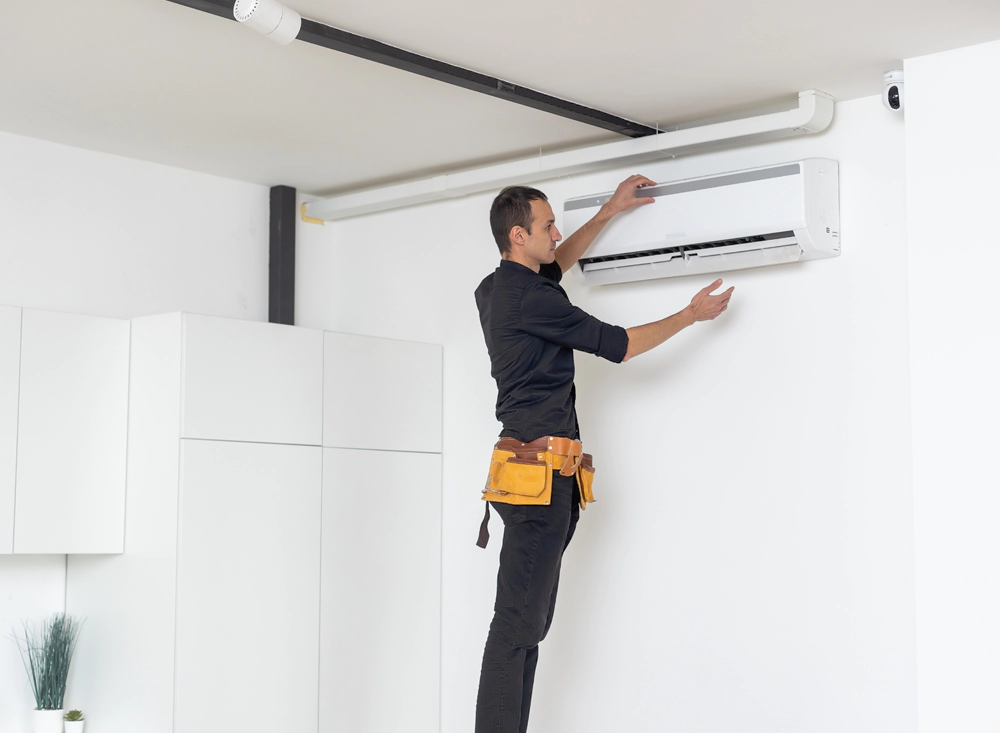
Installing an air conditioner isn’t just about fixing a box on your wall and hoping for a cool breeze. It’s a strategic mission. A well-installed AC is a blessing during Newcastle’s scorching summers and humid spells. But one mistake in the installation process is a ticket to a nightmare of inefficiency and outrageous energy bills.
So, let’s dive deep into the 4 most notorious air conditioner installation blunders and how to dodge them like a pro.
The Importance of Rightly Installed Aircon
Air conditioning isn’t a luxury anymore. It’s a necessity, especially in places like Newcastle, where climate mood swings are the norm. But installing an AC isn’t a casual Sunday task. It’s an investment and a commitment to comfort.
Let’s preview what to avoid during your AC installation:
- Choosing a unit that’s too large or too small.
- Placing the unit where it can’t breathe or function properly.
- Ignoring electrical demands and compatibility.
- Rolling the dice with a DIY disaster.
Let’s dig deep.
1. Choosing the Wrong Size of Air Conditioner
Do you think bigger is always better or smaller means more savings? Think again.
AC size isn’t just about dimensions; it’s about capacity. An undersized air conditioner is like asking a bicycle to tow a caravan. It’ll try, but eventually, it’ll break down in protest. You’ll hear the fan whirring constantly and your electricity bill ramping up.
Oversized units come with their own set of problems. They’ll cool your room at lightning speed, but they won’t stick around long enough to dehumidify the air. The result is cold, sticky discomfort.
Here’s how the sizing issue wreaks havoc:
- Too small: The system runs non-stop, causing early wear and tear. So, you can expect more breakdowns.
- Too large: The unit cycles on and off rapidly. This is called short cycling. It’s inefficient and stressful for the machine.
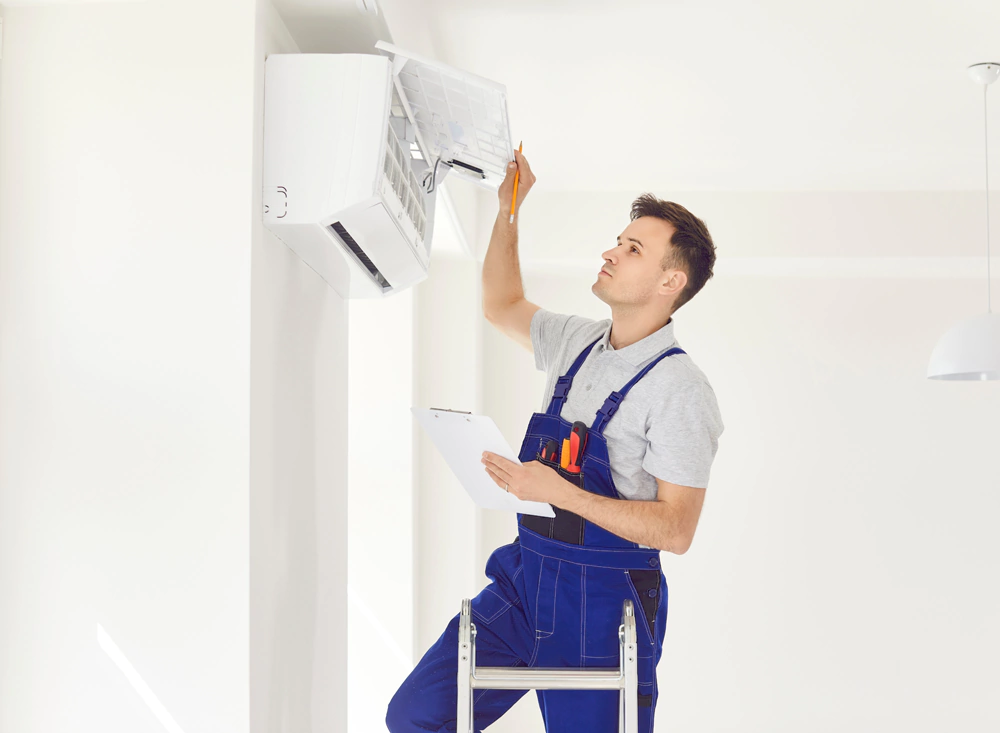
However, make sure to avoid the guesswork or rely on a Google search. Bring in an HVAC specialist. They’ll assess your space, measure the square footage, and calculate the BTUs needed. That’s how you end up with an AC that’s just right.
2. Placing the Unit in the Wrong Spot
Placement matters.
Installing your indoor or outdoor unit in a poor location is like tying a marathon runner’s shoelaces together. The unit struggles, performance plummets, and efficiency disappears.
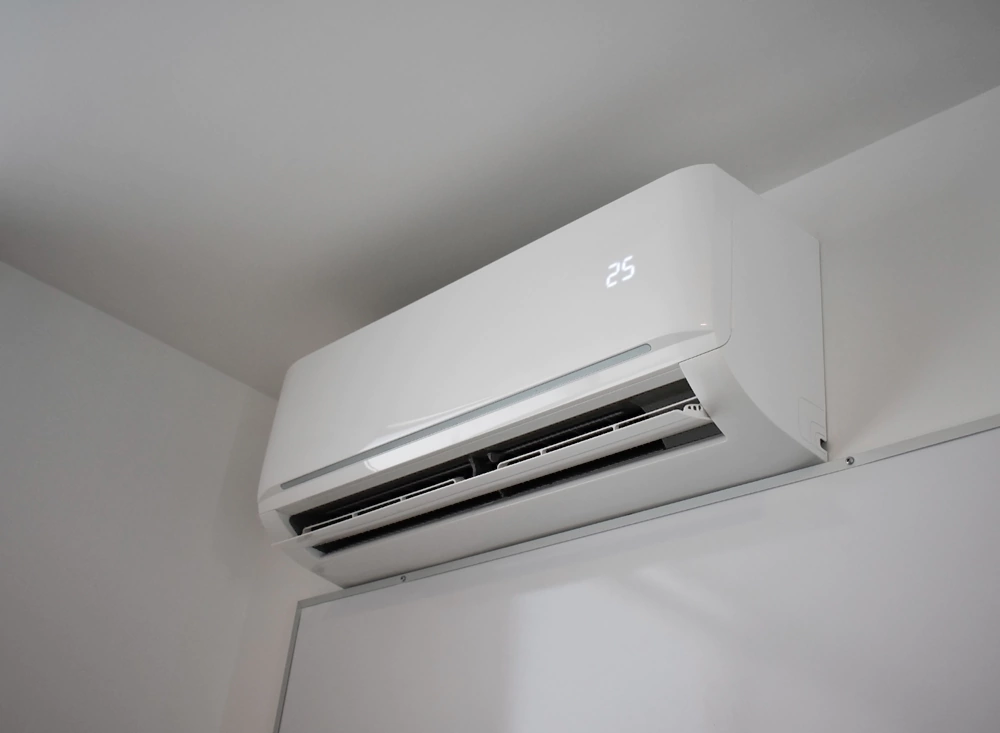
So, take note of these indoor placement mistakes:
- Installing behind curtains or bulky furniture.
- Mounting near lamps or ovens.
- Placing in a corner where airflow is blocked.
When cool air can’t move freely, it lingers in one spot, leading to uneven cooling. One side of the room is freezing while the other feels like a furnace.
Similarly, here are some outdoor placement missteps:
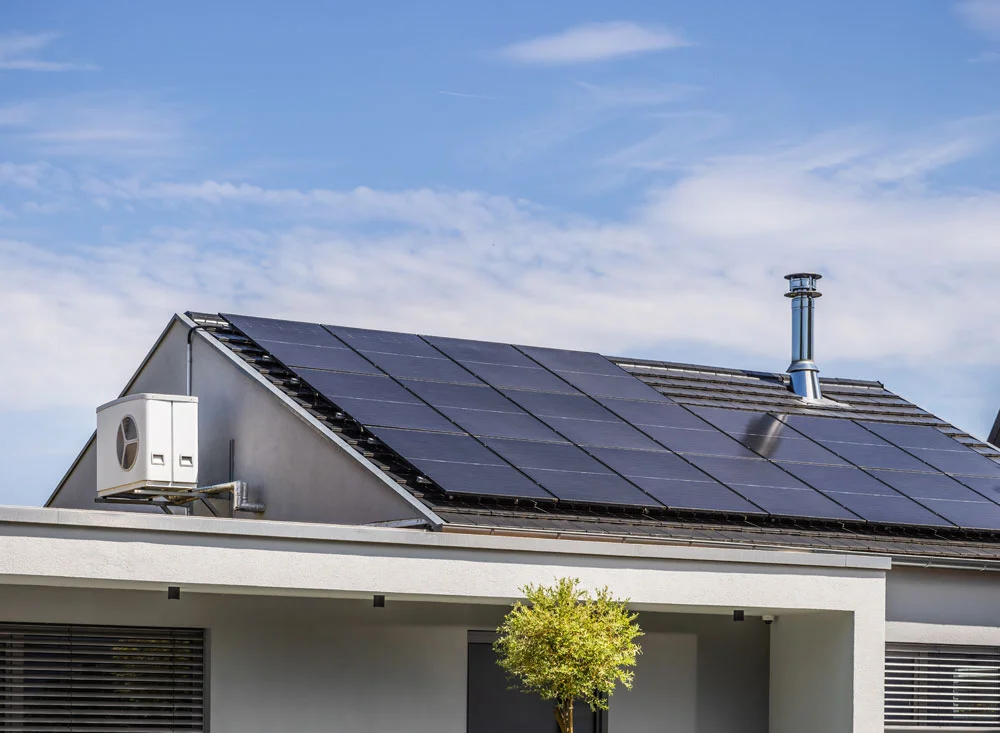
- Mounting in direct sunlight.
- Positioning too close to walls or shrubbery.
- Ignoring ventilation around the condenser.
Outdoor units need breathing room. Cramped spots lead to overheating and constant strain. Direct sunlight bakes the unit, reducing efficiency.
The fix is to survey your space before installation. Choose central, unobstructed spots inside. Shade and airflow are your outdoor unit’s best friends. Elevate the unit if flooding is a risk.
An experienced technician will help map it out for you.
3. Overlooking Electrical Requirements
Picture this: you switch on your brand-new air conditioner. A loud “click,” and the power cuts. You’ve tripped the circuit. Again.
Modern AC units are power-hungry machines. Plugging one into an outdated electrical system can, sooner or later, cause something to burn.
Here’s where many homeowners mess up:
- Wrong voltage: Some systems require 240 volts, and others use 120. Mismatch that, and you’ve got sparks.
- Overloaded circuits: ACs demand dedicated lines. Sharing one with other heavy-duty appliances is a recipe for blackouts.
- Old wiring: Brittle, outdated wiring can’t keep up. The risk of fire increases, so does the risk of costly damage.
A licensed technician can prevent all this trouble. They don’t just install the unit but inspect the panel and check for proper amperage before recommending circuit upgrades. It’s a safety net that keeps your home compliant with regulations.
So, avoid being the electrician yourself unless you have a degree and a hard hat. Electrical mistakes aren’t just inconvenient. They’re dangerous.
4. Attempting a DIY Installation
Installing an Air Conditioning is not different from building IKEA furniture. One wrong screw and you’re not just risking crooked shelves, but you’re risking a faulty, leaky, or hazardous cooling system.
Here are some common DIY disasters:
- Improper sealing: Gaps allow hot air in and cold air out. That’s wasted energy and zero comfort.
- Messed-up refrigerant levels: Too much or too little refrigerant can wreck the compressor. Say goodbye to the unit’s lifespan.
- Poor drainage setup: Water pools, mould follows, and walls suffer. Ultimately, your wallet drains.
- Noisy mounts: Mount the unit unevenly, and you’ll hear it buzz, rattle, and hum.
Plus, DIY installation often voids the warranty. It means any future repair comes out of your pocket. No questions asked.
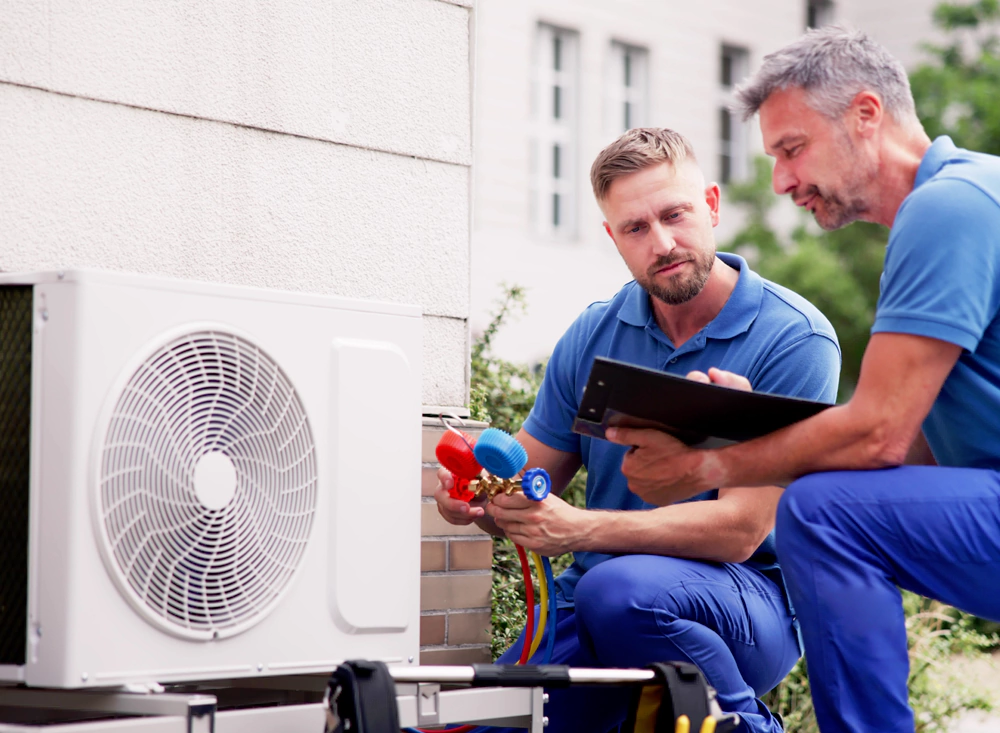
Professional HVAC installers know the blueprint. They understand airflow dynamics, follow manufacturer guidelines, and carry valid insurance. Most importantly, they guarantee peace of mind.
Conclusion
Avoiding these blunders doesn’t just protect your machine. It also protects your comfort, your safety, and your bank account. When in doubt, call in the professionals. Let them do what they’re trained to do.
If you need help, feel free to get in touch with our technicians at Onsite Air. We will oversee each step of the installation and ensure optimal comfort.
Share on
Related Posts
Get a FREE Quote